
Understanding Calorie Tracking Apps
In an era where health and wellness take precedence, calorie tracking apps have emerged as essential tools for individuals looking to manage their diet and achieve their fitness goals. These apps not only allow users to log their food intake but also provide insights into nutritional content, enabling a more informed approach to eating. Whether you aim to lose weight, build muscle, or simply maintain a healthy lifestyle, selecting the right app can make all the difference. When exploring options, the best calorie tracking app for your needs can lead to significant improvements in both your diet and overall well-being.
What is a Calorie Tracking App?
A calorie tracking app is a mobile or web-based application that helps users monitor their food intake and caloric consumption. By logging meals, users can track how many calories they consume throughout the day, along with the nutritional composition of the foods they eat. These apps often include features such as food databases, barcode scanning, and social sharing options, making it easier to stay accountable for dietary choices.
How Do Calorie Tracking Apps Work?
Calorie tracking apps work by allowing users to input various data points related to their food intake. Users can search for foods, scan barcodes, or manually enter items. The app then calculates the caloric and nutritional value based on pre-existing data in its database. Many apps also allow users to track their exercise, giving a more holistic view of their energy balance.
Benefits of Using the Best Calorie Tracking App
- Awareness: Keeping track of what you eat increases awareness of dietary habits and helps identify areas for improvement.
- Accountability: Logging meals can boost accountability, making it more likely that users stick to their health and fitness goals.
- Personalization: Many apps tailor suggestions based on individual goals, making dieting easier and more effective.
- Nutritional Insights: Users gain insights into their macro- and micronutrient intake, which can help guide healthier choices.
Top Picks for 2026
Review of the Best Calorie Tracking Apps
Based on comprehensive testing and user feedback, we present a detailed review of the top-rated calorie tracking apps for 2026. Each app in our rankings has been systematically evaluated against a stringent 200-point rubric, covering eleven critical segments. This ensures that our recommendations reflect not only performance but also user satisfaction.
Comparative Analysis of Features
The following are standout features of the leading calorie tracking apps this year:
- Welling: This app offers an AI-driven photo logging feature that provides real-time dietary recommendations.
- Cronometer: Known for its depth in micronutrient tracking, Cronometer is perfect for users who want precision in their nutritional intake.
- MacroFactor: A robust macro coach that adapts to changing energy expenditures based on user data.
- YAZIO: Balances meal planning with user-friendly design and detailed analytics.
- Lifesum: Integrates meal planning with a focus on visual data representation for easier analysis.
- Carb Manager: Tailored for those on low-carb diets, it provides a specialized library of recipes and dietary plans.
User Ratings and Feedback
User feedback is crucial when evaluating the efficacy of calorie tracking apps. Many users report positive experiences with apps that offer a seamless logging experience and responsive interfaces. However, the best apps also possess a rich database of foods and robust community support, enabling users to navigate challenges more effectively.
Selecting the Right App for Your Needs
Key Features to Look For
When choosing a calorie tracking app, consider the following features:
- Food Database: A comprehensive and accurate food database is essential for effective tracking.
- User Interface: A clean, easy-to-navigate interface enhances user experience and encourages consistency in logging.
- Integration with Fitness Trackers: Look for apps that sync with fitness devices to streamline calorie tracking based on exercise.
- Customization Options: Apps that allow customization based on dietary preferences can provide a more tailored experience.
- Community Support: Access to a community can provide motivation and accountability through shared goals and experiences.
Understanding User Goals and Preferences
Different users have unique dietary needs and goals, ranging from weight loss to muscle gain or simply maintaining a balanced diet. Understanding these goals will help in selecting the app that best suits individual preferences. For instance, fitness enthusiasts might prioritize macro tracking, while casual users might look for easy meal logging.
Common Misconceptions About Calorie Tracking
Despite the growing popularity of calorie tracking apps, several misconceptions remain. One such belief is that tracking calories is only about counting numbers. In reality, it’s about understanding food choices and fostering a healthier relationship with nutrition. Another common myth is that all apps are the same; in fact, differences in user interface, database quality, and features significantly influence the effectiveness of these tools.
Maximizing Your Food Tracking Experience
Best Practices for Accurate Logging
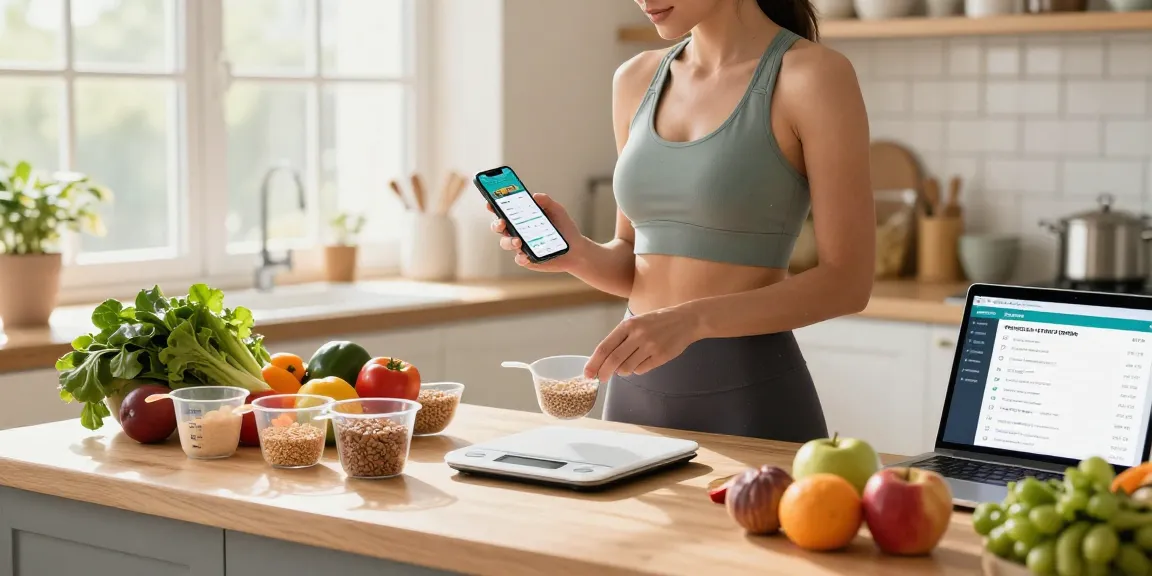
To maximize the benefits of calorie tracking apps, users should follow best practices for accurate logging. This includes weighing food portions, using the barcode scanner whenever possible, and being honest about food intake. Regularly updating personal goals and preferences within the app is crucial for achieving desired results.
Integrating Fitness Goals with Nutrition Tracking
Integrating fitness goals with nutrition tracking enhances overall health management. Users should consider pairing their calorie tracking efforts with fitness regimens that complement their dietary choices. Many apps now offer integrated features allowing users to manage exercise and nutrition in one platform.
Real-Life Success Stories
Numerous success stories highlight the effectiveness of calorie tracking apps. For example, a user may share their journey of losing over 30 pounds by utilizing a calorie tracking app to monitor food intake closely, adjust meal plans, and stay motivated through community support. These testimonials often serve as powerful motivators for new users looking to make lifestyle changes.
Future Trends in Calorie Tracking
The Role of AI in Nutrition Apps
The integration of AI technology into calorie tracking apps is set to revolutionize the way users interact with their dietary choices. AI can provide personalized meal suggestions, optimize food logging through image recognition, and offer insights based on user data patterns, making tracking more intuitive.
Emerging Features in Food Tracking Technology
As technology evolves, new features are emerging in food tracking apps. These include gamification elements that incentivize users, advanced meal planning tools that adapt to seasonal produce, and enhanced social sharing capabilities that foster community engagement.
Predictions for 2026 and Beyond
Looking ahead, we expect calorie tracking apps to become even more user-focused and technology-driven. Innovations in machine learning will likely improve food recognition accuracy, while enhanced connectivity with smart kitchen devices will streamline meal preparations. As users become more health-conscious, the demand for high-quality, reliable food tracking apps will only increase.
What is the best calorie tracking app for beginners?
Beginners might find apps with intuitive interfaces and simple logging features most beneficial. Apps that provide educational resources alongside tracking capabilities can significantly enhance user experience.
Can calorie tracking apps help with weight loss?
Yes, calorie tracking apps can effectively assist with weight loss by promoting self-awareness around food intake and encouraging informed choices. When paired with a balanced diet and exercise regimen, users often see positive results.
How accurate are AI-powered calorie trackers?
AI-powered calorie trackers offer varying degrees of accuracy. While they simplify the logging process, users should be aware of potential error rates and corroborate logged data with nutritional guidelines when necessary.
Do I need to pay for premium features in calorie tracking apps?
Many calorie tracking apps offer both free and premium versions. While the free versions provide essential features, premium features often include advanced analytics, personalized coaching, and ad-free experiences that can enhance usability and effectiveness.
How can I improve my food tracking consistency?
To improve consistency, users should set realistic goals, maintain a routine, and leverage the motivational features of their chosen app. Regular reminders and tracking streaks can also incentivize daily logging.