
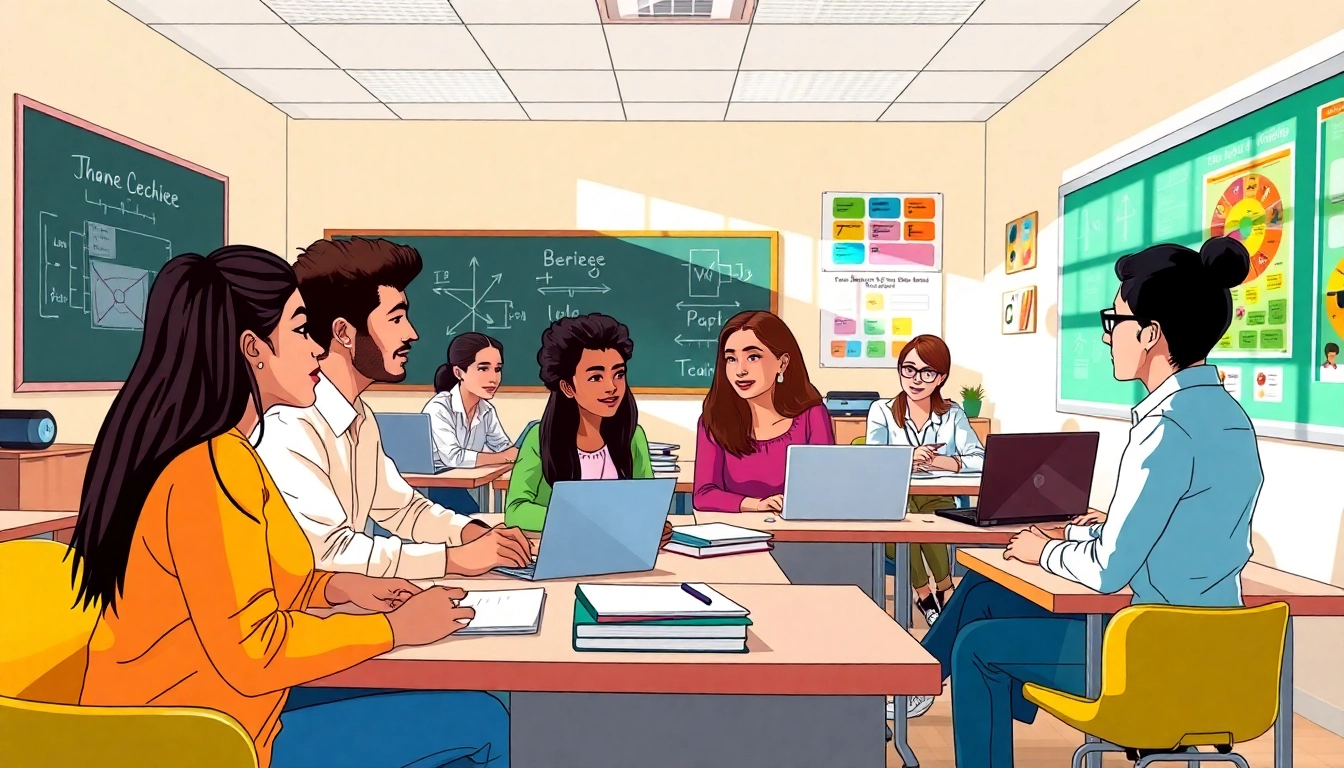
Understanding the Role of Education in Personal Development
Education is a critical aspect of personal growth and societal advancement. It serves as a foundational pillar for individuals, shaping not only careers but also personal aspirations and worldviews. Within the context of education, individuals harness knowledge, develop skills, and cultivate traits that contribute to their overall character development. The profound impact of education in a person’s life cannot be overstated, as it influences decision-making, behavioral patterns, and even emotional intelligence. By recognizing the multifaceted role of education, individuals can better navigate their personal journeys and pursue enriching experiences. Notably, Education is not merely confined to the classroom; it extends into lifelong learning and continuous self-improvement.
The Impact of Education on Personal Growth
The relationship between education and personal growth is intricate and invaluable. Education provides individuals with the tools necessary for critical thinking and problem-solving, essential skills in both personal and professional realms. Moreover, education enhances self-efficacy—a person’s belief in their ability to achieve goals. Through academic success and overcoming challenges, individuals build confidence and resilience, empowering them to pursue further educational opportunities and personal objectives.
Additionally, education fosters social skills. Engaging with diverse groups of people in educational settings—whether in school, college, or community programs—enhances interpersonal skills, enabling individuals to communicate effectively and work collaboratively. This social growth is crucial, particularly in an increasingly interconnected world where teamwork and cooperation are paramount.
Different Learning Styles and Educational Approaches
Understanding that individuals have different learning styles is vital for optimizing educational outcomes. Howard Gardner’s theory of multiple intelligences suggests that everyone’s brain processes information uniquely, categorized into various intelligences—such as linguistic, logical-mathematical, spatial, and interpersonal intelligences. Recognizing these differences can better tailor educational approaches to suit the diverse needs of learners.
Common educational approaches include:
- Visual Learning: Learners absorb information best through diagrams, charts, and visual aids.
- Auditory Learning: These individuals grasp concepts effectively through listening and oral discussions.
- Kinesthetic Learning: Hands-on activities and physical involvement are key for kinesthetic learners, who may struggle with traditional learning methods.
In response to varying learning styles, educators are increasingly employing differentiated instruction to cater to the unique needs of each student, promoting a more inclusive and effective learning environment.
Setting Personal Educational Goals
Setting educational goals is paramount for motivation and direction. Goals provide a clear focus and allow individuals to measure their progress, fostering a sense of accomplishment. When establishing such goals, educators recommend using the SMART criteria: Specific, Measurable, Achievable, Relevant, and Time-bound. This practical framework helps individuals take ownership of their learning and enhances engagement.
Here are some strategies for setting effective educational goals:
- Identify Objectives: Consider what skills or knowledge areas are most important to personal and professional aspirations.
- Break Goals into Smaller Steps: Smaller, manageable tasks can prevent overwhelm and boost motivation.
- Regularly Review and Adjust Goals: Periodic evaluations help assess progress and ensure alignment with evolving interests.
Innovative Teaching Methods to Enhance Education
Education is constantly evolving, influenced by technological advancements and emerging pedagogical theories. Innovative teaching methods enrich the learning experience, equipping students with the skills and knowledge needed in a dynamic world. As we explore various innovative strategies, the focus on engagement and real-world applicability remains a key priority.
Project-Based Learning and its Effectiveness
Project-Based Learning (PBL) is an instructional approach where students engage in learning through working on projects—often centered on real-world problems or challenges. This hands-on methodology enables students to apply theoretical knowledge in practical contexts, deepening their understanding and enhancing retention rates.
PBL fosters collaboration and communication skills, requiring students to work in teams, interact with peers, and present their findings. Research shows that students involved in PBL exhibit stronger critical thinking skills and increased motivation. It encourages a sense of ownership over their learning and instills confidence in their abilities.
Blended Learning Approaches in Education
Blended learning combines traditional face-to-face classroom methods with online education, creating a dynamic learning environment. This approach allows for flexibility in learning, catering to diverse student needs and preferences.
Blended learning can take various forms, including:
- Flipped Classroom: Students review content at home and engage in interactive activities during class time.
- Online Modules: Specific topics are taught through online platforms, freeing up classroom time for discussion and application.
Employing blended learning enhances student engagement and overall educational outcomes, as it fosters a more personalized and responsive learning experience.
The Role of Technology in Modern Education
Technology has revolutionized education, providing new ways of teaching and learning. From interactive whiteboards to educational apps, technology offers tools that enrich classroom experiences and facilitate access to information.
Benefits of integrating technology in education include:
- Increased Access to Resources: Students can access a myriad of materials—articles, videos, and e-books—enabling deeper research and exploration.
- Enhanced Engagement: Gamification and interactive platforms foster increased motivation and engagement among learners.
- Personalized Learning Experiences: Technology allows educators to tailor lessons to fit diverse learning paces and preferences.
As education continues to adapt, the effective use of technology will play a pivotal role in shaping future teaching methodologies and enhancing learning experiences.
Creating an Inclusive Education Environment
An inclusive educational environment is essential for fostering diversity and ensuring that every student has an equal opportunity to succeed. Strategies that promote inclusivity can enrich the learning experience, benefiting students, educators, and the broader community.
Strategies for Supporting Diverse Learners
Support for diverse learners requires intentional strategies and practices. Educators must embrace culturally responsive teaching methods that recognize and celebrate the diversity of student backgrounds. Some key strategies include:
- Differentiated Instruction: Tailoring lessons to accommodate various learning needs, interests, and readiness levels.
- Using Inclusive Language and Materials: Utilizing resources that represent diverse cultures and perspectives can engage all students in meaningful ways.
- Professional Development: Ongoing training and workshops for educators on inclusive practices are vital for creating supportive learning environments.
The Importance of Accessibility in Education
Accessibility in education ensures that all students can engage with and benefit from educational resources—regardless of physical capabilities or learning differences. Institutions need to adopt an inclusive framework that prioritizes accessibility in both physical and digital contexts.
Strategies for enhancing accessibility include:
- Universal Design for Learning (UDL): Incorporating flexible learning environments that cater to various learning preferences.
- Assistive Technologies: Enabling students with disabilities to access educational content through tools like screen readers, speech recognition, and adaptive devices.
Emphasizing accessibility is paramount, as it promotes equity, allowing every learner to achieve their full potential.
Fostering a Positive Learning Community
A positive learning community is foundational for student engagement and success. Establishing an environment where students feel valued, safe, and supported is crucial to promoting academic achievement. Consider the following approaches to nurturing a positive learning atmosphere:
- Encouraging Collaboration: Group activities and projects foster relationships among students and create a sense of belonging.
- Establishing Clear Expectations: Communicating behavioral and academic expectations can help create a respectful and productive learning environment.
- Implementing Social-Emotional Learning (SEL): Incorporating programs that focus on developing emotional intelligence supports students’ overall well-being.
Evaluating Educational Outcomes and Success Metrics
Assessing educational outcomes is vital for understanding the effectiveness of teaching approaches and the overall impact on student learning. Educators and institutions aims to measure success not only through traditional grades but also through various metrics that reflect a broader understanding of learning achievements.
Assessment Methods for Measuring Learning
Assessment methods can be categorized into formative and summative assessments. Formative assessments provide ongoing feedback during the learning process, allowing educators to adjust their teaching strategies based on student needs. Examples include quizzes, discussions, and performance tasks.
Summative assessments, on the other hand, evaluate student learning at the end of an instructional unit. These assessments may take the form of final exams, standardized tests, or projects that culminate a learning period.
By employing a mix of both formative and summative assessments, educators can gain a comprehensive understanding of student progress and areas for improvement.
Feedback Mechanisms to Improve Education
Effective feedback is essential for improving learning outcomes. Feedback should be constructive, timely, and specific, guiding students toward their learning goals. A well-structured feedback system includes:
- Peer Feedback: Encouraging students to provide feedback to one another can enhance critical thinking and collaboration.
- Self-Assessment Tools: Students reflecting on their learning processes fosters self-directed learning and accountability.
Incorporating these feedback mechanisms creates a culture of continuous improvement within educational settings.
Long-Term Benefits of Quality Education
The effects of quality education extend far beyond academic achievement, influencing individuals’ lifelong trajectories. Access to quality education leads to improved job prospects, higher earnings, and better health outcomes. It equips individuals with critical thinking skills that empower them to navigate life’s challenges effectively.
Moreover, an educated populace contributes to societal well-being. Quality education reduces inequalities, strengthens communities, and fosters civic engagement. By investing in education, societies can propel economic growth and enhance overall quality of life.
Future Trends in Education and Lifelong Learning
The landscape of education continues to evolve, shaped by innovations and societal shifts. Identifying and understanding future trends is crucial for preparing learners to thrive in an ever-changing world. Lifelong learning will play a significant role in this context, as the demand for continuous skill development becomes increasingly essential.
Emerging Trends Shaping the Future of Education
Technology-driven trends are transforming education significantly. These include:
- Adaptive Learning Technologies: Personalized learning experiences driven by data analytics allow students to proceed at their own pace.
- Online Collaboration Tools: Virtual classrooms and platforms encourage global collaboration among students and educators, breaking geographical barriers.
- Focus on Soft Skills: Employers increasingly value soft skills—such as communication, teamwork, and critical thinking—translating to a shift in curriculum focus.
Promoting Lifelong Learning in a Changing World
As society evolves, the concept of lifelong learning becomes increasingly pertinent. Lifelong learning encompasses continuous, voluntary learning throughout an individual’s life, driven by personal or professional interests. To promote lifelong learning:
- Provide Accessible Resources: Offering various learning materials online caters to diverse preferences and schedules.
- Encourage Parental Involvement: Fostering supportive familial relationships enhances the motivation for learning outside traditional educational environments.
Educator’s Role in Preparing for Future Challenges
Educators are pivotal to preparing students for future challenges. They must equip learners with not only academic knowledge but also critical skills needed to navigate an unpredictable world. Continuous professional development will empower educators to adopt innovative practices and integrate emerging technologies into their teaching methodologies effectively.
In summary, creating an inclusive, engaging, and adaptive educational environment will enable individuals to thrive personally and professionally, cultivating a society that values education and its transformative potential.

