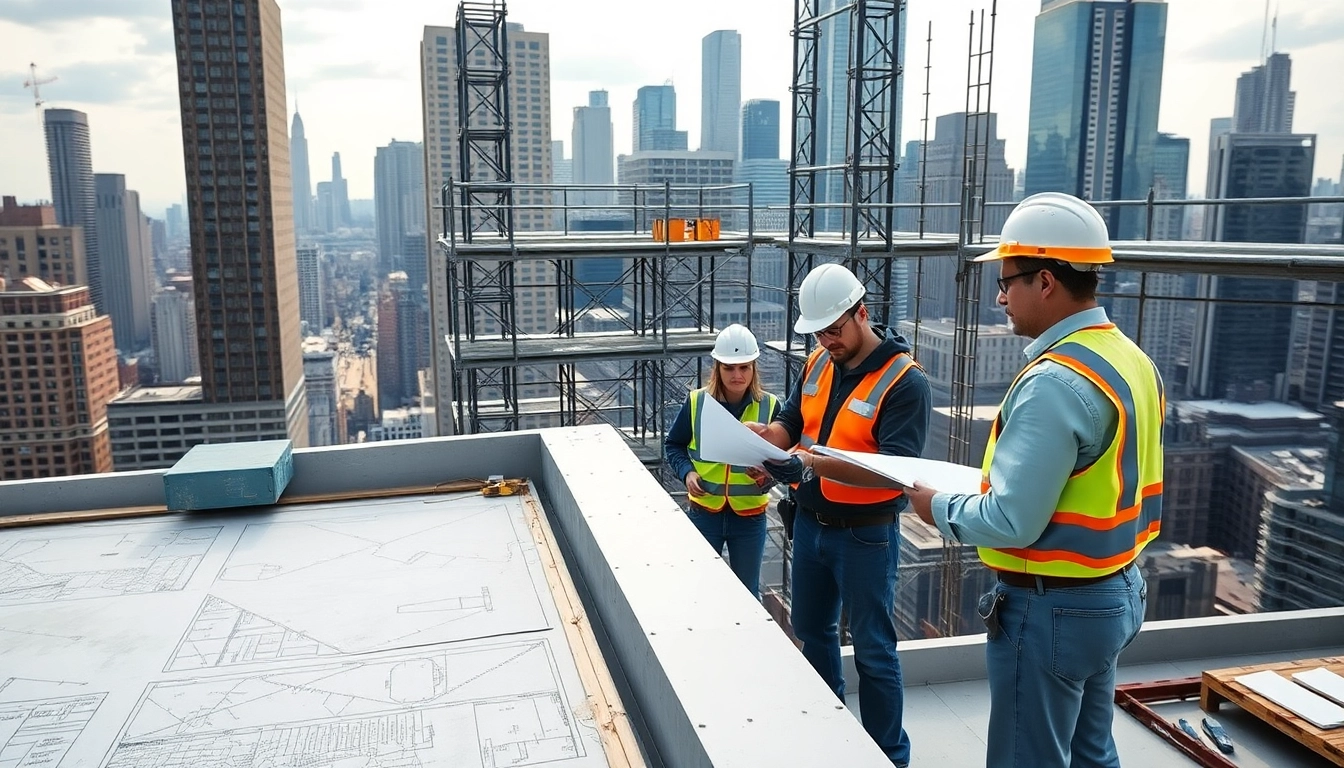
Understanding the Role of a New York General Contractor
In the bustling landscape of construction, the role of a New York General Contractor is crucial to navigating complex projects. From selecting subcontractors to ensuring timelines are adhered to, these professionals bring a wealth of knowledge and organization to the table. In this section, we’ll delve deeper into the multifaceted responsibilities and impact of general contractors within New York’s dynamic construction environment.
What Does a General Contractor Do?
General contractors serve as the centralized figure in construction projects, overseeing every element from initiation to completion. Their responsibilities encompass a vast range of tasks:
- Project Management: They manage timelines, resources, and workforce allocations, ensuring projects stay on schedule and within budget.
- Subcontractor Coordination: A general contractor selects and collaborates with subcontractors for specialized tasks, such as plumbing, electrical work, and carpentry.
- Permit Acquisition: They navigate the complex landscape of local building codes, obtaining necessary permits to ensure regulatory compliance.
- Quality Assurance: General contractors maintain strict quality control throughout the project, ensuring that workmanship meets industry standards and client expectations.
- Communication Hub: Acting as the liaison between clients, architects, and subcontractors, they facilitate effective communication and problem-solving.
Types of Projects Handled by New York General Contractors
A New York General Contractor typically handles a diverse array of projects, catering to different sectors and scopes. Here are some of the primary types:
- Residential Construction: From single-family homes to multifamily buildings, residential projects require contractors to balance aesthetic appeal with structural integrity.
- Commercial Construction: These projects range from office buildings to retail spaces, emphasizing functional design along with compliance to safety standards.
- Renovations and Remodels: Many contractors specialize in enhancing existing structures to improve functionality and contemporary appeal.
- Institutional Projects: These involve public buildings like schools and hospitals, where contractors must navigate intricate regulatory frameworks and built environment challenges.
Key Skills and Qualifications Required
The position of a general contractor demands both educational and experiential qualifications. Here are some essential skills and credentials:
- Construction Knowledge: A robust understanding of construction techniques, materials, and tools is fundamental.
- Project Management Expertise: Skills in planning, organizing, and managing resources are crucial for timely project completion.
- Financial Acumen: Budgeting and financial management skills ensure that projects remain achievable within financial constraints.
- Regulatory Knowledge: Familiarity with local building codes, zoning laws, and safety regulations is vital for compliance and successful permitting.
- Interpersonal Skills: Effective communication fosters collaboration among diverse stakeholders, from laborers to property owners.
How to Select the Best New York General Contractor
Choosing the right general contractor can significantly influence the outcome of your construction project. This section outlines essential steps to help guide your decision-making process.
Researching Potential Contractors
Start your search by gathering potential candidates. Utilize several resources, including:
- Online Reviews: Websites like Yelp and Houzz provide insights into contractor performance through customer feedback.
- Professional Associations: Membership in organizations like the Associated General Contractors of New York is a positive sign.
- Referrals: Ask friends, family, or colleagues for recommendations based on their experiences.
Evaluating Credentials and Experience
Once you have a shortlist, evaluate each contractor’s credentials thoroughly:
- License and Insurance: Verify that the contractor holds the necessary licenses and insurance to operate legally in New York.
- Portfolio of Work: Review past projects to assess their quality and ensure their style aligns with your vision.
- Experience Level: Consider the contractor’s experience with projects similar in scope and scale to yours.
Interviewing Candidates Effectively
When interviewing candidates, consider asking the following questions:
- What is your approach to project management and communication?
- How do you handle unexpected challenges that arise during a project?
- Can you provide references from previous clients with similar projects?
Listen closely to their answers to gauge their professionalism, expertise, and responsiveness.
Cost Considerations When Hiring a General Contractor
Understanding the financial aspects of hiring a general contractor is crucial for maintaining budget control. This section addresses vital cost considerations.
Understanding Pricing Models and Estimates
General contractors may utilize different pricing models, including:
- Fixed Price: A set fee for the entire project, which can provide budget certainty.
- Cost Plus: The contractor charges for actual costs plus a markup; this model is common for complex projects with uncertain costs.
- Time and Materials: Clients pay for the time spent and materials used, suited for smaller projects or renovations.
Ensure that all estimates are detailed, outlining what is included in the price to avoid surprises later.
Budgeting For Unexpected Expenses
Even the best-planned projects can experience unforeseen costs. To mitigate these expenses:
- Allocate a Contingency Fund: Typically, this should be 10-20% of the total project cost for unexpected issues like design changes or hidden structural problems.
- Thorough Inspections: Conduct detailed inspections before beginning work to identify potential problems early.
Negotiating Contracts with Your Contractor
Once you’ve selected a general contractor, you’ll need to negotiate the contract effectively:
- Clear Scope of Work: Define the scope to establish what is included in the contract — this reduces disputes later.
- Payment Schedule: Set a clear payment schedule based on milestones rather than an upfront payment to protect your investment.
- Termination Clauses: Ensure there are clauses that allow you to terminate the contract under specific circumstances without substantial penalties.
Common Challenges with New York General Contractors
While hiring a general contractor is beneficial, various challenges can arise during the construction process. Here, we explore common issues and provide solutions.
Managing Timelines and Expectations
Construction projects can be delayed due to various factors. To avoid these issues:
- Establish Realistic Timelines: Work with your contractor to prepare a timeline that considers potential delays due to weather or material availability.
- Regular Updates: Schedule check-ins to discuss progress and address any concerns proactively.
Dealing with Permits and Regulations
New York’s strict building codes can complicate projects. To navigate this:
- Stay Informed: Ensure your contractor is up to date with local regulations that may affect your project.
- Documentation: Keep meticulous records of all permits and correspondence with regulatory bodies.
Maintaining Communication Throughout the Project
Clear communication can help mitigate conflicts. Strategies include:
- Utilize Project Management Tools: Tools can help streamline communication and keep all parties informed.
- Open Dialogues: Encourage open conversations about any issues or adjustments needed as the project progresses.
Best Practices for Working with a New York General Contractor
To ensure successful collaboration with your general contractor, consider the following best practices.
Establishing Clear Project Goals
Defining clear objectives from the outset helps keep the project aligned with your vision:
- Define Scope and Vision: Discuss and document your overall vision with the contractor.
- Develop a Detailed Timeline: Create a project timeline with milestones that reflects the planned completion dates.
Regular Check-Ins and Updates
Consistency in communication can remedy many common issues. Aim for:
- Weekly Meetings: Set aside time each week to review progress and modify plans if necessary.
- Progress Reports: Request regular updates that detail the status of work in progress.
Ensuring Quality Control and Satisfaction
Quality assurance should be a priority throughout the project lifecycle:
- Conduct Regular Inspections: Schedule inspections at different project stages to maintain quality and adherence to standards.
- Feedback Loop: Establish a process for providing feedback to the contractor to address any concerns promptly.
Frequently Asked Questions
1. Does New York require a general contractor license?
Most contractors in New York do not need a state license. However, specialized contractors, such as asbestos handlers and crane operators, may require one.
2. How do I find a reputable general contractor?
Research online reviews, ask for referrals, and check professional associations to find quality candidates in your area.
3. What are the common costs associated with hiring a general contractor?
Costs include labor, materials, permits, and potential contingency funds for unexpected expenses, typically 10-20% of the total cost.
4. What should I look for in a contractor’s contract?
Check for clear scope, payment schedules, thorough timelines, and termination clauses to safeguard your rights.
5. How can I ensure my project stays on schedule?
Establish realistic timelines, maintain regular communication, and conduct frequent check-ins with your general contractor.