Understanding Commercial Roofing Services
When it comes to maintaining and protecting commercial properties, commercial roofing services play an essential role. These services encompass a wide range of techniques and solutions tailored to meet the specific needs of businesses, ensuring the longevity and durability of their roofing systems. This comprehensive guide will delve into the various aspects of commercial roofing, helping you make informed decisions for your business’s roofing requirements.
What Are Commercial Roofing Services?
Commercial roofing services refer to a variety of offerings including the installation, repair, maintenance, and inspection of roofs for commercial buildings. Unlike residential roofing, which typically covers single-family homes, commercial roofing deals with structures like offices, warehouses, retail stores, and multifamily housing. These services are specifically tailored to handle the unique challenges posed by larger and often more complex roofing systems.
Types of Commercial Roofing Systems
Understanding the different types of commercial roofing systems is crucial when selecting the right solution for your property. Here are some common types:
- Flat Roofs: Flat roofing systems are popular for commercial buildings due to their economical benefits. Materials used include TPO (Thermoplastic Olefin), EPDM (Ethylene Propylene Diene Monomer), and built-up roofing.
- Metal Roofing: Known for its durability, metal roofing is often made from steel, aluminum, or copper. It’s resistant to extreme weather and offers excellent longevity.
- Modified Bitumen: This type of roofing is a durable and flexible option that uses asphalt and is often applied in layers. It provides good waterproofing and insulation.
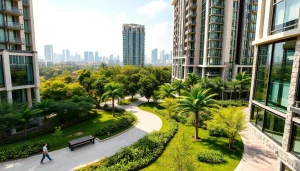
- Green Roofing: Increasingly popular, green roofs incorporate vegetation and live plants into the roofing system, enhancing sustainability and providing insulation.
Benefits of Professional Roofing Services
Investing in professional commercial roofing services offers various benefits:
- Expertise: Professional roofers bring a wealth of experience and knowledge, ensuring that installations and repairs are completed to the highest standards.
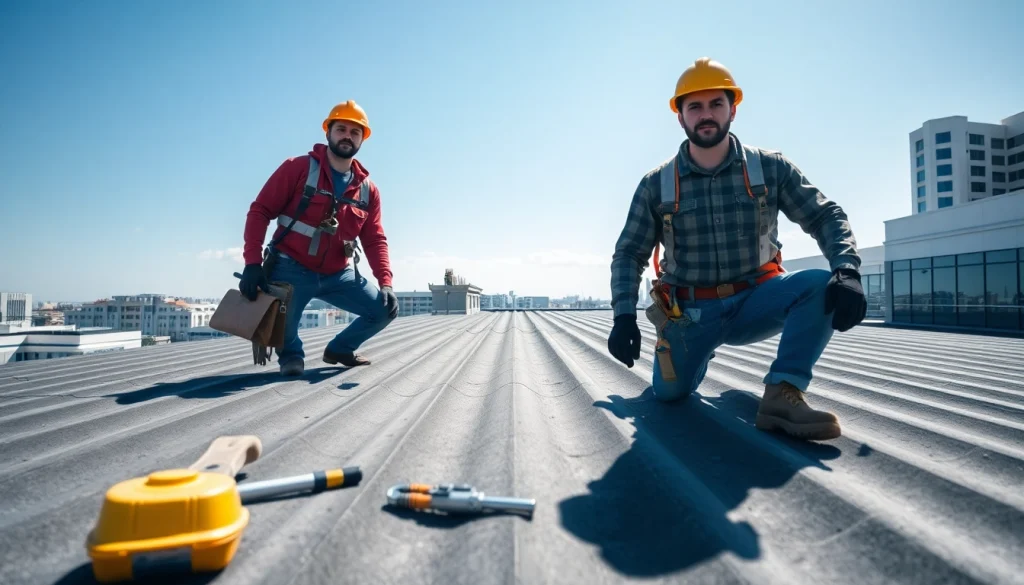
- Safety: Roofing is a hazardous task. Professional services prioritize safety and reduce the risk of accidents.
- Quality Materials: Professional services have access to high-quality materials that may not be available for DIY projects.
- Warranty: Professional roofing work often comes with a warranty, providing peace of mind for building owners.
Assessing Your Roofing Needs
Key Factors to Consider
Before engaging in commercial roofing services, it’s important to assess your specific roofing needs. Consider the following factors:
- Building Type: The type of building will influence the roofing system you choose. For instance, a warehouse might require a different solution compared to an office building.
- Climate: Understanding your local climate conditions can help determine the best materials and systems to withstand weather-related wear and tear.
- Budget: Determine your budget not only for installation but for potential future repairs and maintenance.
- Local Codes and Regulations: Familiarize yourself with any local building codes that may affect your roofing choices.
Common Commercial Roof Issues
Identifying potential issues early can save businesses time and money. Some common roof problems include:
- Leaks: Water intrusion can lead to significant damage over time.
- Blistering: Poor installation can result in blisters forming on the roof surface, which can compromise the integrity of the roofing material.
- Ponding Water: Accumulation of water on flat roofs can increase material deterioration and promote mold growth.
- Debris Accumulation: Leaves, dirt, and other debris can damage roofing materials and impede drainage.
When to Schedule an Inspection
Regular inspections are vital for the longevity of commercial roofs. It’s wise to schedule an inspection:
- At least twice a year—typically in the spring and fall.
- After major weather events, such as storms or heavy snowfall.
- If you notice leaks or other signs of damage.
Choosing the Right Materials
Overview of Durable Roofing Options
Choosing the appropriate materials for your commercial roof is critical. Here’s a closer look at some durable options:
- TPO: Known for being lightweight and heat-reflective, TPO is a cost-effective option that promotes energy efficiency.
- EPDM: A versatile rubber roofing system that is durable and offers effective weather resistance.
- Metal Roofing: Often featuring a longer lifespan than other materials, it’s highly resistant to severe weather.
- Modified Bitumen: This provides high resistance to moisture and temperature fluctuations, making it a reliable choice for various climates.
Cost vs. Value in Roofing Materials
While initial costs are important, considering the long-term value of roofing materials can lead to better investment decisions:
- Longevity: Some materials may have a higher upfront cost but offer significant savings in the long run due to their durability.
- Maintenance Costs: Evaluate any ongoing maintenance costs associated with different materials; some materials require more upkeep than others.
- Energy Savings: Reflect on how insulation properties or heat-reflective materials could reduce energy costs over time.
Sustainability and Energy Efficiency
As environmental concerns rise, selecting sustainable roofing materials has become crucial. Many manufacturers provide options that enhance energy efficiency:
- Reflective Roof Coatings: These coatings can help reduce heat absorption, lowering energy costs.
- Green Roofs: A living roof not only improves aesthetics but also contributes to insulation and reduces stormwater runoff.
- Recyclable Materials: Opting for roofing systems that utilize recyclable materials can positively impact sustainability.
Hiring a Commercial Roofing Contractor
Qualities to Look For
Hiring the right contractor is essential for your commercial roofing project. Consider the following qualities:
- Experience: Look for contractors with a proven track record in commercial roofing.
- Certifications: A qualified contractor will have relevant industry certifications and licenses.
- Insurance: Check if the contractor has proper insurance to protect against accidents.
- References: Seek feedback from past clients to get a sense of their reliability and quality of work.
Questions to Ask During Consultation
During the initial meeting with a potential contractor, keep the following questions in mind:
- What type of roofing systems do you recommend for my building?
- What is your estimated timeline for this project?
- Can you provide a detailed written estimate?
- What is your warranty policy on materials and workmanship?
Understanding Your Contract
Before signing a contract, ensure you clearly understand every aspect of it. Key components include:
- Scope of Work: Ensure that the contract details the work to be performed, including materials, labor, and timelines.
- Payment Terms: Review the payment structure, including deposits and final payments upon project completion.
- Change Orders: Understand the process for any changes to the original plan.
- Warranty Information: Make sure warranty details for both materials and installation are included in writing.
Maintaining Your Commercial Roof
Routine Maintenance Tips
Regular maintenance is essential to prolong the life of commercial roofs. Here are some tips:
- Schedule regular inspections to catch potential issues early.
- Keep the roof clean and clear of debris to prevent water damage.
- Inspect and maintain drainage systems to ensure proper flow and avoid ponding water.
- Monitor for signs of wear, such as cracking, blistering, or punctures in the roofing material.
Signs Your Roof Needs Repair
Recognizing early warning signs can prevent costly repairs down the line. Look for:
- Water stains or mold inside the building.
- Damaged flashing or seams.
- Visible cracks or holes in the roofing material.
- Ponding water that lasts more than 48 hours after rainfall.
Long-Term Care and Upgrades
Long-term care strategies ensure your roof remains in top condition:
- Consider installing specialized roofing systems designed for longer wear.
- Invest in preventive maintenance plans to guarantee upcoming inspections and repairs.
- Upgrade materials when necessary to enhance durability and energy efficiency.
- Stay informed about the latest roofing technologies that could benefit your building.