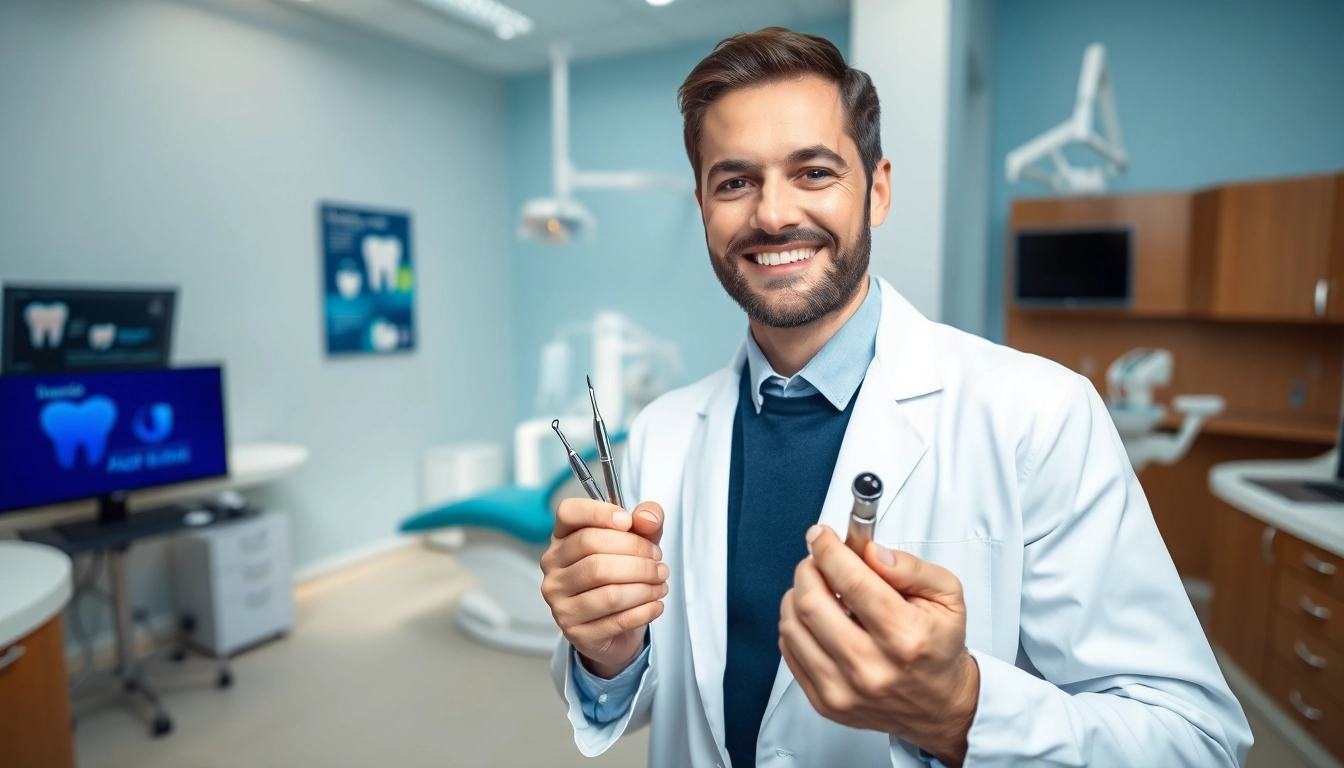
Understanding the Role of a Dentist
A Dentist plays a vital role in maintaining not just oral health, but overall well-being. Serving as health care professionals with a specialization in dentistry, dentists diagnose and treat various oral conditions, offering preventative care, diagnosing diseases, and performing surgeries when necessary. Understanding what a dentist does, the importance of regular check-ups, and common dental procedures is essential for anyone looking to take control of their oral health.
What Does a Dentist Do?
A dentist is often the first line of defense against oral health problems. Their primary responsibilities include:
- Diagnosing and treating dental diseases such as cavities, gum disease, and oral cancer.
- Performing restorative treatments including fillings, crowns, and bridges.
- Conducting preventative procedures like cleanings and fluoride treatments.
- Educating patients about proper oral hygiene techniques.
- Providing advice on diet and lifestyle choices that can impact oral health.
- Handling emergency dental situations, such as injuries or unforeseen complications.
Most importantly, dentists not only focus on the teeth but also consider the broader implications on the patient’s health. Research has shown a strong link between oral health and systemic diseases such as cardiovascular disease and diabetes.
Importance of Regular Dental Check-Ups
Regular dental check-ups are crucial for maintaining optimal oral health. Ideally, individuals should visit their dentist at least twice a year. During these visits, dentists conduct thorough examinations of the teeth, gums, and mouth. They can detect early signs of diseases, which can be treated more easily and effectively. Moreover, dental professionals can provide tailored advice based on individual health needs and risks.
Common Dental Procedures Explained
For many, the thought of dental procedures can evoke anxiety or discomfort. However, understanding what to expect can help alleviate fears:
- Fillings: When decay is detected, dentists may use fillings to restore the tooth's integrity. Options include amalgam, composite resins, and gold.
- Crown Placement: For severely damaged teeth, crowns provide a protective cover while restoring shape and strength.
- Root Canal Treatment: This procedure addresses infection in the tooth pulp, helping patients avoid extraction.
- Teeth Cleaning: Professional cleanings remove plaque and tartar build-up, reducing the risk of cavities and gum disease.
How to Choose a Qualified Dentist
Selecting the right dentist is crucial for your dental health journey. A variety of factors come into play when making this important decision.
Factors to Consider When Selecting a Dentist
When searching for a dentist, consider the following:
- Education and Credentials: Verify that the dentist has completed the necessary educational requirements and holds valid licensure.
- Specializations: Some dentists focus on particular areas, such as pediatric, cosmetic or geriatric dentistry. Make sure their expertise aligns with your specific needs.
- Office Environment: A welcoming and professional office environment can enhance your overall experience.
- Location and Availability: Choose a dentist whose office is conveniently located and offers flexible hours to accommodate your schedule.
Verifying Qualifications and Experience
Researching the credentials of a dentist can provide peace of mind. Many states provide online databases where you can check the dentist’s license status and any disciplinary actions. Additionally, consider how long they have been practicing and if they engage in continuous education to stay updated with the latest trends and techniques in dentistry.
Patient Reviews and Recommendations
Testimonials from previous patients can offer valuable insights into a dentist’s practice. Websites, social media platforms, and direct recommendations from friends or family can reflect both the quality of care and the overall patient experience. Look for mentions of the dentist's communication skills, demeanor, and treatment effectiveness.
The Benefits of Routine Dental Care
Establishing a routine of regular dental care yields numerous benefits, extending beyond just managing oral health.
Preventive Care and Its Importance
Preventive care is the cornerstone of good dental health. Regular check-ups and cleanings can prevent many common dental issues before they escalate. Preventive services often include:
- Assessing risks associated with gum disease.
- Fluoride treatments to strengthen teeth.
- Patient education about brushing and flossing techniques.
How Regular Visits Improve Overall Health
Maintaining regular dental visits not only keeps your mouth healthy but can also positively affect your general health. The oral cavity acts as a window into your overall health; conditions such as diabetes and heart disease often present initial symptoms in the mouth. Treating dental issues promptly can prevent complications that may impact other areas of your health.
What to Expect During a Dental Visit
During an average dental visit, you can expect:
- Initial Consultation: Discuss any concerns you have about your oral health with your dentist.
- Examination: An assessment of your teeth, gums, and mouth followed by necessary X-rays.
- Cleaning: A dental hygienist will professionally clean your teeth, removing plaque and tartar.
- Discussion: You will receive feedback and recommendations for improving your oral hygiene routine.
Modern Dentistry Techniques
Modern dentistry has evolved significantly with advancements in technology, improving patient care and enhancing treatment outcomes.
Advancements in Dental Technology
Recent innovations in dental technology have transformed the patient experience. For instance:
- 3D Imaging: This technology allows for more accurate diagnostics and treatment planning.
- Laser Dentistry: Dental lasers can treat various conditions with precision and minimal discomfort.
- Digital Impressions: These replace traditional molds for crowns and bridges, providing increased comfort and accuracy.
Cosmetic Dentistry Options
Cosmetic dentistry has gained popularity, with various options available for those seeking enhancements to their smile. Common cosmetic procedures include:
- Teeth Whitening: Professional whitening treatments can significantly enhance the brightness of your smile.
- Veneers: These are thin shells of porcelain or composite resin that cover imperfections.
- Orthodontics: Options such as clear aligners provide a discreet way to straighten teeth.
Emergency Dental Services
Dental emergencies can happen unexpectedly. Knowing how to respond can make a difference in treatment outcomes. Standard emergency procedures include:
- Managing broken or cracked teeth.
- Addressing severe toothaches.
- Dealing with knocked-out teeth.
Addressing Common Concerns About Dentists
Despite the crucial role of Dentist, many individuals still harbor concerns regarding dental visits. Understanding these can help mitigate fears.
Pain and Anxiety Management During Procedures
Dental anxiety is common. Dentists often have methods in place to reduce discomfort, including:
- Topical anesthetics to numb the area.
- Dental sedation options providing different levels of calmer experiences.
- Open communication to discuss procedures and address patient concerns.
Cost Considerations and Insurance Coverage
Cost can be a significant barrier to receiving dental care. Understanding your insurance plan and available procedures can help manage expenses. Many dental offices offer payment plans and financing options to assist patients.
Understanding Dental Hygiene Practices
Maintaining good oral hygiene at home is essential. Dentists recommend the following guidelines:
- Brushing at least twice a day with fluoride toothpaste.
- Flossing daily to remove plaque between teeth.
- Limiting sugary foods and drinks.
- Using mouthwash for additional antibacterial protection.
In conclusion, taking an active role in your oral health by understanding the role of your dentist, prioritizing regular visits, and practicing good hygiene can lead to significant benefits not only for your mouth but also for your overall health. Taking the time to choose the right dentist and engage in preventive care can have lasting positive impacts on your life.