Understanding Car Accident Claims with Clearwater Car Accident Lawyer
Car accidents can be overwhelming experiences that leave victims grappling with physical injuries, emotional distress, and financial uncertainty. Understanding the process of filing a claim and the role of a skilled Clearwater Car Accident Lawyer is essential for securing the compensation you deserve. This article aims to demystify the complexities of car accident claims, helping you navigate your rights and options effectively.
What to Expect After a Car Accident
Following a car accident, it is common to experience a range of emotions, including anxiety and confusion. Here are the practical steps you should follow:
- Check for Injuries: Ensure everyone involved is safe. If there are serious injuries, call for medical help immediately.
- Notify Law Enforcement: Report the accident to the police, and ensure an accident report is filed.
- Document the Scene: Take photographs of the vehicles, damages, and the surrounding environment. Be sure to gather the contact details of witnesses.
- Seek Medical Attention: Even if injuries seem minor, some conditions may manifest later.
- Notify Your Insurance Company: Inform your insurance provider about the incident as soon as possible.
The Role of a Clearwater Car Accident Lawyer
A Clearwater Car Accident Lawyer can significantly ease the burden of navigating post-accident claims. Their roles include:
- Legal Representation: They advocate for your rights, ensuring that your case is thoroughly prepared and presented.
- Gathering Evidence: They will help collect crucial documentation such as police reports, medical records, and witness statements.
- Negotiating with Insurance Companies: They handle negotiations with insurance adjusters to obtain fair compensation.
- Advising on Legal Procedures: They provide guidance on deadlines, legal requirements, and what to expect throughout the process.
Legal Process Overview
The legal process following a car accident typically involves several steps:
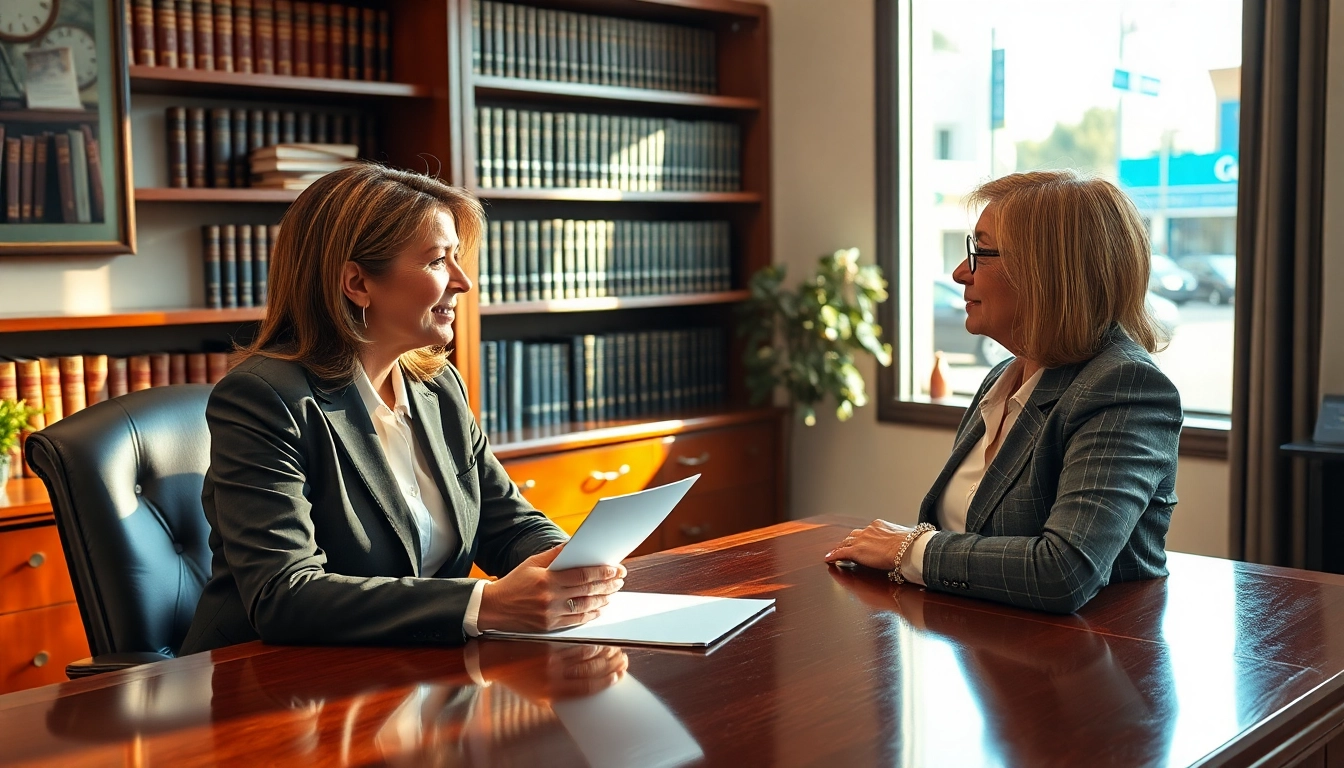
- Initial Consultation: A meeting to discuss your case, injuries, and potential compensation.
- Investigation: The lawyer conducts a detailed investigation into the accident.
- Filing a Claim: The claim is formally submitted to the insurance company.
- Negotiation: Negotiations are conducted to reach a settlement. If an agreement is not met, litigation may begin.
- Trial (if necessary): If the case goes to court, both parties present their arguments, and a verdict is rendered.
Navigating the Legal Landscape with a Clearwater Car Accident Lawyer
State Laws Affecting Car Accident Claims
Understanding Florida's laws regarding car accidents is crucial for effective legal recourse. Notably, Florida operates under a "no-fault" insurance system, which means that victims typically file claims with their insurance providers regardless of fault. Key regulations include:
- Personal Injury Protection (PIP): This covers medical expenses and lost wages up to a certain limit, regardless of who caused the accident.
- Comparative Negligence: If a victim is partially at fault, compensation may be reduced proportionately.
- Statute of Limitations: Victims have a limited time frame, usually four years, to file a lawsuit after an accident.
Common Types of Car Accident Cases
Car accidents can result in various types of claims, including:
- Rear-End Collisions: Frequently caused by distracted driving, often resulting in soft tissue injuries.
- Intersection Accidents: Often due to failing to yield, running a red light, or misjudged turns.
- Lane Change Accidents: Can occur when drivers change lanes without ensuring it is safe.
- Driving Under Influence (DUI): Accidents caused by drivers intoxicated by drugs or alcohol.
- Hit and Run: Involves fleeing the scene of the accident and requires unique legal strategies to secure compensation.
Important Legal Deadlines
Meeting legal deadlines is critical for ensuring your claim is actionable. Be mindful of:
- Accident Report Submission: Often must be filed within 10 days of the accident.
- Filing a Personal Injury Claim: Generally must occur within four years from the date of the accident.
- Insurance Notification: Most insurers require immediate notification of accidents.
Gathering Evidence for a Strong Case
Types of Evidence Necessary for Claims
A robust claim relies on well-documented evidence, which may include:
- Police Reports: Official documentation outlining the incident can be pivotal.
- Medical Records: Proof of injuries and treatments received are essential for substantiating claims.
- Witness Statements: Accounts from bystanders can add credibility to your case.
- Photographic Evidence: Victims should take photos of the accident scene, vehicles involved, and any visible injuries.
- Expert Reports: Testimonies from accident reconstruction experts can clarify aspects of the incident.
How a Clearwater Car Accident Lawyer Collects Evidence
A Clearwater Car Accident Lawyer employs a strategic approach to evidence collection, which often involves:
- Site Visits: Assessing the accident scene for evidence or missed details.
- Engaging Experts: Collaborating with investigators and medical professionals.
- Document Requests: Subpoenaing necessary evidence from involved parties, if needed.
Common Missteps to Avoid
In the aftermath of a car accident, several missteps can undermine your claim's strength.
- Delaying Legal Consultation: Delays can compromise evidence preservation and case management.
- Admitting Fault: Avoid making any statements that imply liability.
- Inadequate Documentation: Failing to keep records of medical treatment and expenses can weaken your case.
Maximizing Compensation with a Clearwater Car Accident Lawyer
Factors Affecting Compensation Amounts
Several factors influence the compensation you may receive after a car accident:
- Severity of Injuries: More significant injuries typically result in higher medical expenses and compensation.
- Lost Income: Compensation for wages lost during recovery can substantially impact total damages.
- Long-term Effects: Chronic pain or long-term medical complications can elevate compensation claims.
Differentiating Between Compensatory and Punitive Damages
Understanding the differences between compensatory and punitive damages is critical:
- Compensatory Damages: These cover medical expenses, lost wages, and property damage.
- Punitive Damages: Awarded to punish the at-fault party, typically only in cases of gross negligence or misconduct.
The Importance of Negotiation Skills
Negotiation plays a pivotal role in securing fair compensation. A Clearwater Car Accident Lawyer can help by:
- Understanding Industry Standards: They know typical compensation amounts for various injuries and claims.
- Preparing Evidence: Thorough preparation helps strengthen your position during negotiations.
- Utilizing Experience: Their familiarity with strategies employed by insurance companies can provide an advantage.
FAQs About Hiring a Clearwater Car Accident Lawyer
Is it worth hiring a lawyer for a car accident?
Yes, hiring a lawyer ensures your rights are protected and maximizes compensation. They handle negotiations and navigate the legal system effectively.
How long should I wait to contact a lawyer after an accident?
Contact a lawyer as soon as possible, ideally within days of the accident, to preserve evidence and strengthen your case.
What are the chances of winning my case?
While each case is unique, plaintiffs win around 50% of cases that go to court. Having a strong case with clear evidence can significantly improve your odds.
What should I avoid saying to a lawyer?
Avoid admitting fault or making statements that could weaken your position. Any admission can reduce your compensation under comparative negligence laws.
How do I choose the right lawyer for my case?
Look for experience in car accident cases, a proven track record of success, and positive client reviews. Schedule consultations to assess compatibility.