Understanding Wildfire Events
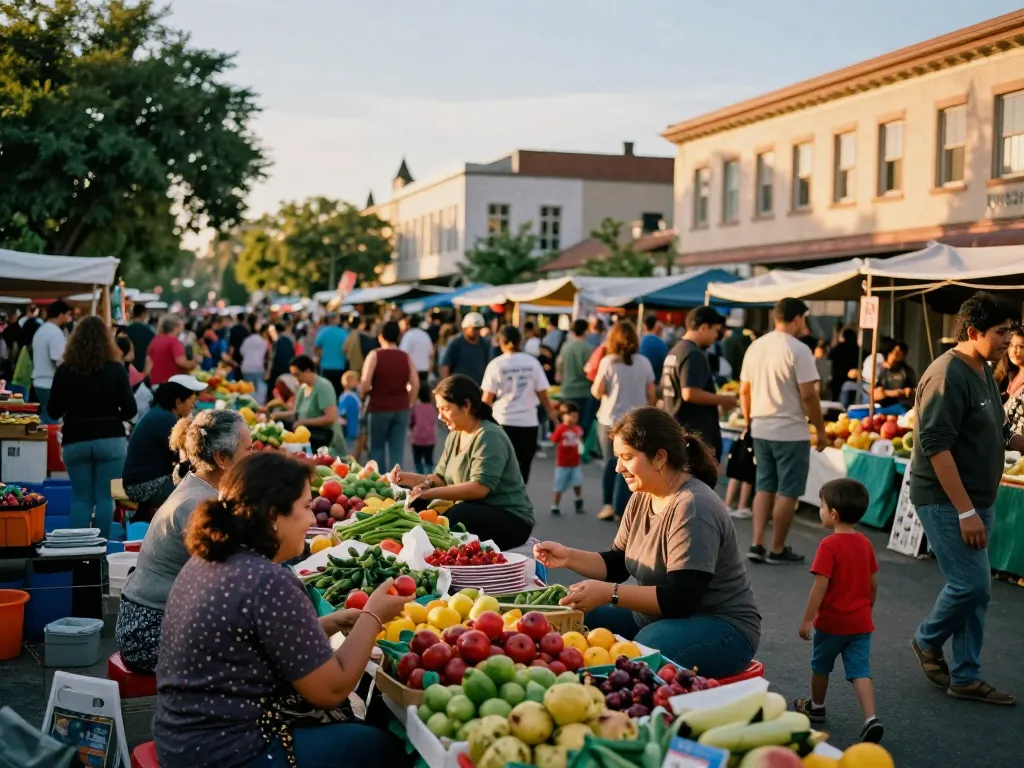
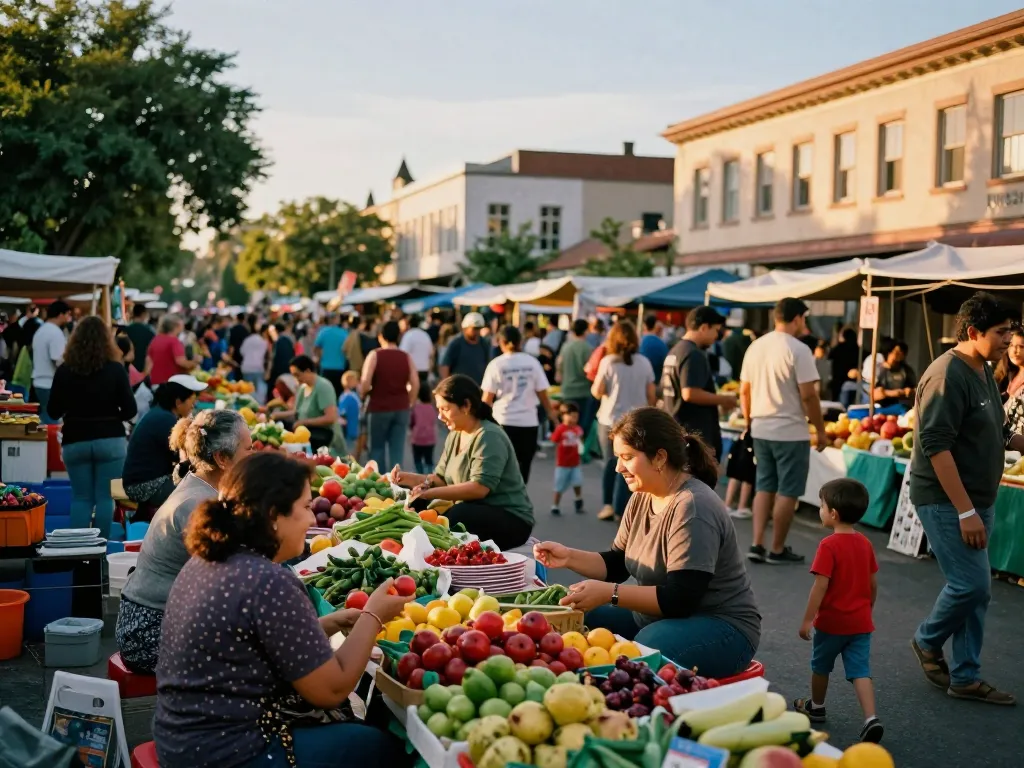
Wildfire events represent a profound intersection of nature's power and human vulnerability. These uncontrolled fires, often ignited by natural causes or human negligence, pose significant threats to ecosystems, property, and human lives. As climate change intensifies, the frequency and intensity of wildfire events are predicted to increase. Understanding these phenomena is crucial for effective prevention, preparedness, and recovery. To explore how communities can leverage their strengths in this arena, we can refer to Wildfire events that showcase collective efforts.
What Constitutes a Wildfire Event?
A wildfire event is defined as any uncontrolled fire that occurs in wildland areas such as forests, grasslands, and prairies, requiring fire suppression efforts. Unlike prescribed burns set intentionally for land management, wildfires can spread rapidly, fueled by dry vegetation, strong winds, and high temperatures. Understanding the conditions that lead to wildfire events is essential for prevention and effective response strategies.
Types of Wildfire Events
Wildfire events can be classified into several types based on their cause and behavior:
- Natural Wildfires: These are caused by natural occurrences such as lightning strikes, which ignite dry vegetation.
- Human-Induced Wildfires: Fires that result from human activities include arson, discarded cigarettes, and campfires left unattended.
- Prescribed Burns: Managed fires set intentionally to clear underbrush, reduce fuel loads, and maintain healthy ecosystems.
- Catastrophic Wildfires: Large-scale wildfires that cause significant destruction, typically fueled by extreme weather conditions.
Statistics on Wildfire Events
The impact of wildfire events is substantial, with recent statistics indicating alarming trends:
- In a given year, millions of acres may be scorched across various regions, illustrating the scale of these incidents.
- Wildfires lead to the destruction of thousands of structures annually, resulting in displacement and economic loss.
- Fatalities, both human and animal, often result from uncontrolled wildfires, highlighting the need for prevention efforts.
These statistics underscore the importance of awareness and preparedness in communities susceptible to wildfire events.
The Importance of Community Involvement in Wildfire Events
Community involvement is pivotal in effectively addressing the challenges posed by wildfire events. Collective action enhances preparedness, fosters resilience, and creates an atmosphere of vigilance and readiness.
How Communities Can Prepare
Preparation involves several key strategies, including:
- Education and Training: Communities should organize workshops and training sessions to educate residents on wildfire preparedness and safety.
- Creating Emergency Plans: Families need to develop evacuation routes and emergency kits tailored to their unique circumstances.
- Community Clean-up Initiatives: Organizing events to clear dry brush and vegetation around homes can reduce fire hazards significantly.
Benefits of Collective Awareness
A well-informed community can better respond to wildfire events. Benefits include:
- Enhanced Communication: Residents can stay informed through community meetings, social media updates, and local news.
- Financial Preparedness: Communities can work together to fund firefighting resources or insurance awareness campaigns.
- Improved Resilience: Prepared communities can bounce back quicker from the aftermath of wildfires, minimizing disruption to lives and businesses.
Case Studies of Successful Community Programs
Case studies from various regions illustrate the effectiveness of community initiatives:
- Florida Wildfire Awareness Campaign: This initiative saw local governments partner with schools to educate children about fire safety, significantly raising awareness.
- California's Community Fire Prevention Program: Engaged volunteers in fire prevention tactics, such as clearing debris and educating neighbors about fire risks. This has led to reduced incidences in overexposed areas.
Planning and Organizing Wildfire Events
Organizing wildfire events centered on education and preparedness can facilitate community engagement and drive home the importance of wildfire awareness.
Steps to Organize a Wildfire Awareness Event
Successful organization requires careful planning and execution:
- Define Objectives: Identify the primary goals of the event, such as education, fundraising, or community engagement.
- Select an Appropriate Venue: Consider outdoor spaces where participants can view demonstrations or engage in physical activities safely.
- Set a Date and Time: Choose a convenient timing, such as weekends, when more community members are likely to attend.
Engaging Speakers and Experts
Incorporating knowledgeable speakers can add significant value to wildfire events. Potential speakers include:
- Firefighters: Offer firsthand accounts of wildfire combat experiences and safety tips.
- Environmental Scientists: Discuss the ecological impacts of wildfires and the importance of ecosystem management.
- Community Leaders: Bring a local perspective on how communities can work together to enhance safety.
Creating Interactive Activities
Interactive activities foster engagement. Consider the following:
- Demonstration Drills: Conduct simulated evacuation drills to prepare families for emergency situations.
- Interactive Exhibits: Set up booths with engaging material, fire safety kits, and housing preparation demonstrations.
- Workshops: Facilitate hands-on learning experiences, such as creating a defensible space around homes.
Promoting Wildfire Events Effectively
A successful wildfire event requires effective promotional strategies to reach a broader audience and encourage participation.
Utilizing Social Media and Local Press
Platforms like Facebook, Twitter, and Instagram can be used to create event awareness. Engaging local press can generate additional outreach through:
- Press releases that highlight the significance and goals of the event.
- Interviews with key organizers or experts to create interest and stimulate community support.
Collaboration with Local Organizations
Partnerships with local businesses, non-profits, and schools can enhance the reach and resources available for wildfire events. These alliances may offer:
- Financial Support: Sponsorship opportunities enhance funding for event logistics.
- Resource Sharing: Collaborate on marketing efforts or combine resources for activities.
Measuring Success and Impact
Evaluation of wildfire events ensures that objectives are being met and provides insights for future improvements. Consider these metrics:
- Participant Feedback: Surveys to gauge community interest and perceptions post-event are invaluable.
- Attendance Numbers: Analyzing turnout to assess the effectiveness of promotional efforts.
- Community Engagement: Monitoring how many residents actively participate in training sessions or subsequent preparedness activities.
FAQs about Wildfire Events
What is the main goal of wildfire events?
The main goal of wildfire events is to raise awareness and educate the public about wildfire risks, prevention, and safety measures.
How can I prepare for a wildfire event in my area?
Preparing for wildfire events includes learning evacuation routes, creating defensible space around your home, and maintaining emergency kits.
Are wildfire events only about fire prevention?
No, wildfire events also promote community resilience, recovery efforts, and environmental conservation associated with wildfires.
Who can organize wildfire events?
Wildfire events can be organized by local governments, fire departments, community organizations, and volunteers passionate about wildfire safety.
Can children participate in wildfire events?
Yes, many wildfire events include educational activities and programs specifically designed for children to learn about fire safety.