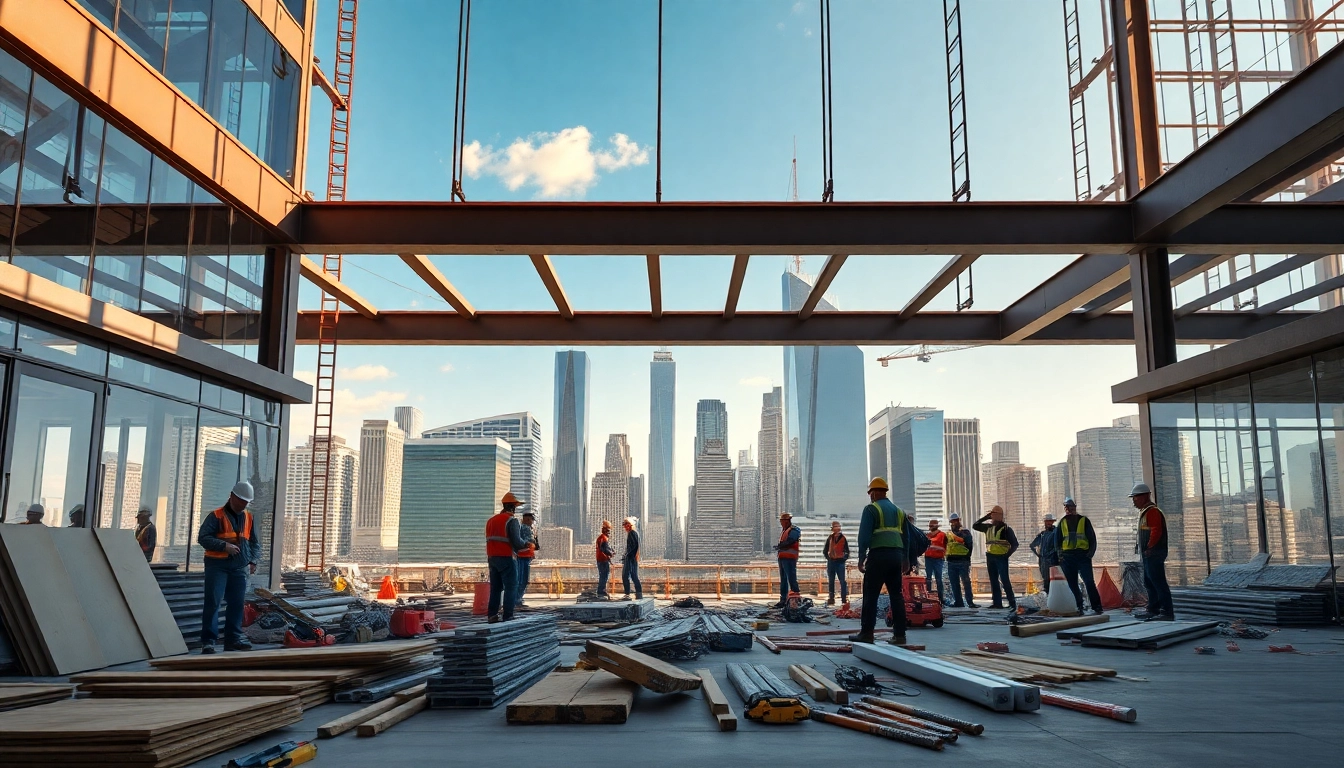
Mastering the Art of General Contracting in New York City
In the bustling environment of New York City, construction and renovation projects are a common sight. Navigating this landscape requires the expertise of a reliable New York City General Contractor. From skyscrapers piercing the skyline to quaint brownstones gracing the streets, general contractors play a pivotal role in transforming visions into architectural realities.
Overview of General Contracting in NYC
General contractors in New York City are responsible for overseeing construction projects from conception to completion. They serve as the primary point of contact between clients, subcontractors, and suppliers. This dynamic city presents unique challenges including regulatory compliance, diverse labor sources, and logistical complexities, making the role of the general contractor indispensable.
The construction industry here is vast, encompassing residential, commercial, and industrial projects. Each segment has its own requirements and obstacles, influenced by the city’s varied neighborhoods, building codes, and market demands. A comprehensive understanding of local laws and a strong network of local connections are crucial for any general contractor operating in NYC.
Key Services Offered by a New York City General Contractor
A New York City general contractor provides a range of essential services that facilitate various stages of construction:
- Project Consultation: Initial project discussions to determine scope, budget, and feasibility.
- Design-Build Services: Integrating both design and construction services to streamline project delivery.
- Permitting and Regulations: Securing necessary permits and ensuring compliance with local building codes.
- Subcontractor Management: Hiring and supervising specialists such as electricians, plumbers, and carpenters.
- Cost Estimation: Providing detailed estimates that account for materials, labor, and potential contingencies.
- Project Management: Overseeing day-to-day operations, ensuring quality control, and maintaining project schedules.
These services are pivotal in delivering successful projects that meet client specifications while adhering to budget and timeline constraints.
Importance of Licensing and Compliance in NYC
Licensing and adherence to local regulations are paramount in the New York construction industry. All general contractors must possess the appropriate licenses, which typically involve passing a thorough vetting process, including background checks and proof of insurance.
Regulatory compliance is not just a matter of legality—it impacts project sustainability and public safety. Contractors must stay abreast of changes in city laws, building codes, and safety standards. Failure to comply can result in severe penalties, project delays, or even the halting of operations.
Choosing the Right New York City General Contractor
Identifying Your Project Requirements
Before engaging a New York City general contractor, it is essential to have a clear understanding of the project’s requirements. This includes defining the project's scope, budget, and timeline. Clarity at this stage enables effective communication with contractors and aids in evaluating the right fit for your project.
Evaluating Contractor Experience and Reputation
When scouting for the right contractor, consider their experience and reputation within the industry. Ask for references and review previous projects to assess the quality of work delivered. Many reputable contractors will provide case studies or portfolios showcasing their versatility and expertise.
Moreover, online reviews and testimonials can provide valuable insight into their reliability and quality of service. A solid reputation often indicates a contractor who values customer satisfaction and maintains high professional standards.
Getting and Comparing Quotes
Obtaining multiple quotes is a crucial step in the contractor selection process. A detailed estimate should outline the costs associated with materials, labor, and timelines. When comparing bids, look beyond the final numbers; analyze the scope of work, payment terms, and any additional services offered.
It's also advisable to clarify potential hidden costs that might emerge during the project. Understanding all components of the quote ensures informed decision-making and helps avoid any unpleasant surprises down the road.
Understanding the Construction Process with a New York City General Contractor
Stages of Construction: From Planning to Completion
The construction process typically unfolds in several key stages:
- Pre-Construction: Involves initial consultations, site assessments, and finalizing design plans.
- Permitting: Securing necessary permits and approvals from city authorities.
- Site Preparation: Clearing the site, excavation, and laying the groundwork for construction.
- Building: The main construction phase, where the structure is erected according to the plans.
- Finishing: Includes interior and exterior work, such as painting, landscaping, and installing fixtures.
- Post-Construction: Final inspections, obtaining occupancy certificates, and resolving any punch list items.
Staying organized and adhering to timelines during each stage is crucial for maintaining project momentum and ensuring timely completion.
Collaboration with Architects and Engineers
Successful projects often hinge on effective collaboration with architects and engineers. A New York City general contractor must work closely with these professionals throughout the construction process to translate architectural designs into tangible outcomes.
Regular meetings and updates ensure that everyone is on the same page, facilitating timely adjustments and minimizing miscommunications that could hamper the project’s progress.
Managing Timelines and Budgets Effectively
Effective time and budget management are crucial components of any construction project. A reputable general contractor will implement project management tools and methodologies to keep the project on track.
Setting clear timelines with distinct milestones helps in tracking progress and allows for proactive adjustments as needed. Additionally, maintaining transparent communication with clients regarding budgetary considerations ensures that there are no surprises regarding expenses.
Challenges Faced by New York City General Contractors
Dealing with Regulatory Hurdles
New York City's regulatory landscape is intricate and often subject to change. General contractors must navigate a slew of permits, inspections, and zoning laws that can delay projects if not carefully managed.
To mitigate regulatory challenges, establishing relationships with local authorities and staying informed about legislative changes is critical. These efforts enable contractors to foresee requirements and streamline the permitting process.
Adapting to Market Trends
The construction market in New York City is influenced by various factors, including economic conditions, material costs, and labor availability. General contractors must remain agile, adapting to shifts in market dynamics.
Keeping abreast of industry trends, such as emerging construction methods or changing consumer preferences, can also provide a competitive edge. For instance, many clients are now prioritizing sustainability in construction, prompting contractors to offer green building options.
Maintaining Quality Standards amid High Demand
As demand for construction services increases, maintaining high-quality standards can become challenging. New York City general contractors must ensure that they do not compromise on craftsmanship, even while managing multiple projects simultaneously.
Implementing stringent quality control measures, along with continuous training for workers, can significantly enhance project outcomes. Regular site inspections and stakeholder feedback loops also contribute to maintaining quality throughout the construction process.
Future Trends for New York City General Contractors
Impact of Technology on Construction
Technology is revolutionizing the construction industry. Innovations such as Building Information Modeling (BIM), drones for site inspections, and augmented reality are becoming commonplace. General contractors in NYC must leverage these technologies to enhance project efficiency and accuracy.
For instance, BIM allows for improved collaboration among stakeholders by providing a detailed visual representation of the project, which can reduce errors and streamline communication. Drones can enable quick aerial assessments of job sites, improving safety and reducing inspection times.
Sustainable Practices in Urban Development
Sustainability is gaining traction in urban development. General contractors must embrace practices that minimize environmental impact, such as using recycled materials, improving energy efficiency, and adopting waste management strategies.
Green certifications, such as LEED (Leadership in Energy and Environmental Design), are increasingly important in attracting clients. Implementing sustainable practices not only aligns with regulatory expectations but also appeals to environmentally conscious consumers.
Emerging Construction Methods and Materials
As construction methodologies continue to evolve, general contractors need to stay informed about new materials and techniques. Modular construction, for instance, is transforming how buildings are designed and assembled, allowing for quicker timelines and reduced waste.
Investing in new materials that promote durability and energy efficiency can enhance project outcomes and client satisfaction. Exploring innovative construction methods can set contractors apart in this competitive market.