In today's fast-paced world, having a reliable ice maker at home or in a business can significantly enhance convenience and improve the quality of your beverages. Ice makers come in various shapes and forms, from countertop models to built-in installations, making them suitable for a range of applications, whether you're hosting a summer barbecue, running a café, or simply enjoying a chilled drink after a long day. This comprehensive guide will explore the different types of ice makers, key features to consider, common challenges users might face, and best practices for usage—ultimately leading to an informed purchasing decision.
Understanding Ice Maker Types
Countertop Ice Maker Overview
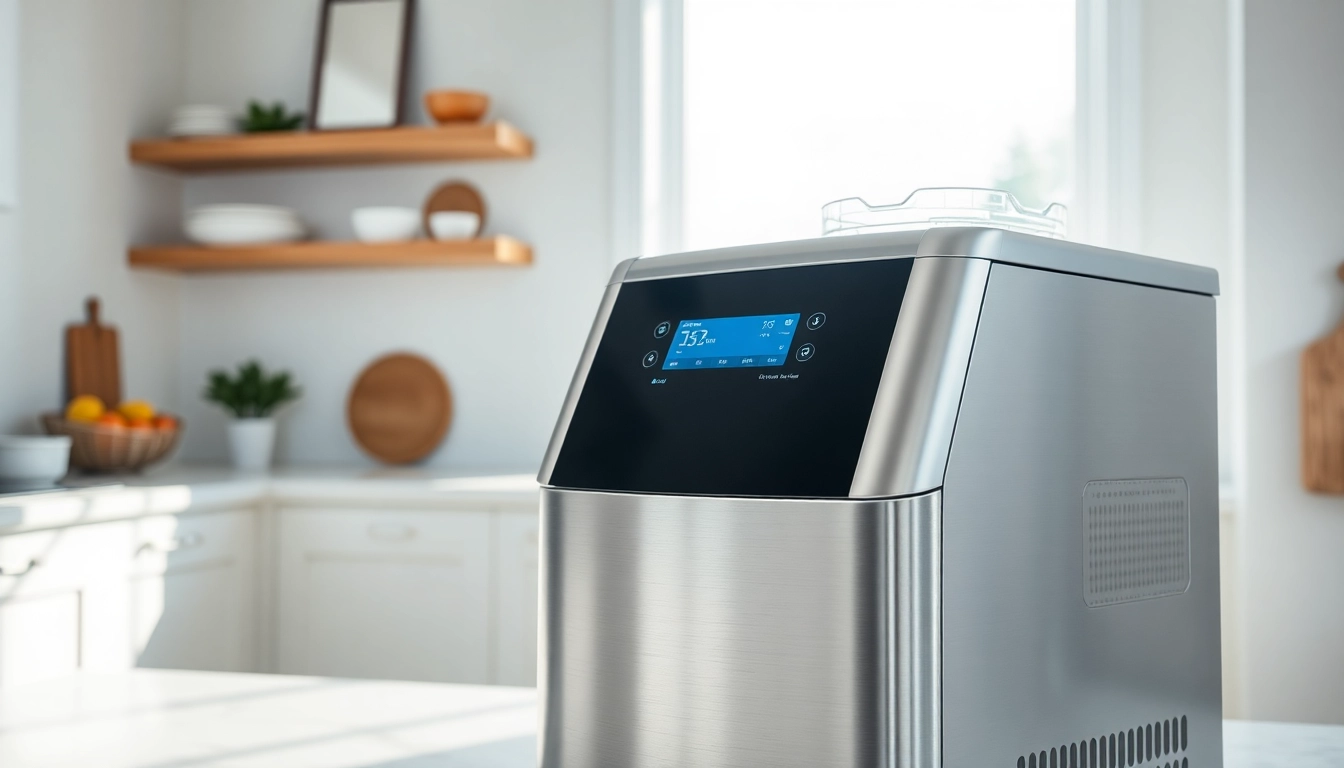
Countertop ice makers are compact units that sit on your kitchen counter or bar. They are ideal for home use due to their portability and ease of operation. Most countertop models can produce ice rapidly—many within just a few minutes. Users simply fill the machine with water, and it has an internal mechanism to freeze the water into ice. This type becomes indispensable, particularly during summer when ice needs increase.
Built-In Ice Maker Features
Built-in ice makers are designed for installation in kitchens and bars, integrating seamlessly with cabinetry. These units generally have larger ice production capacities compared to their countertop counterparts, often making them a popular choice for larger households or commercial settings. Built-in models can produce different types of ice—cubic, nugget, or flake—depending on user preferences. Additionally, they typically have better insulation and a more significant water reservoir, allowing for a steady supply of ice without frequent refills.
Commercial Ice Maker Benefits
Commercial ice makers cater to businesses such as restaurants, bars, and hotels. These units are built for durability and high output, often producing hundreds of pounds of ice daily. They come with advanced features that allow for easy monitoring of ice production and quality control, ensuring that businesses can meet customer demands while maintaining optimal operations. Investing in a commercial ice maker ensures that businesses won't run out of ice during peak service hours.
Key Features to Consider in an Ice Maker
Ice Production Capacity Explained
When choosing an ice maker, one of the critical specifications to consider is its ice production capacity, measured in pounds of ice per day. Countertop models usually produce between 26 to 35 pounds, while built-in and commercial models can produce significantly more. It’s essential to choose a capacity that aligns with your needs—hosting frequent gatherings requires a higher output than casual daily use.
Energy Efficiency Ratings and Implications
Energy efficiency is another crucial factor. Ice makers can consume considerable amounts of electricity, making it essential to look for models with high energy efficiency ratings. Energy Star-certified ice makers typically use less energy than standard models, leading to lower electricity bills and an environmentally conscious choice. Checking energy consumption will ensure you select an ice maker that not only produces ice efficiently but also minimizes your carbon footprint.
Compact Design for Small Spaces
For users with limited counter space, a compact design is essential. Many brands offer slim models that easily fit into tight spaces without sacrificing performance. When purchasing an ice maker, not only should you measure the available area, but also consider installation requirements and accessibility for maintenance purposes.
Common Challenges with Ice Makers
Ice Maker Maintenance Tips
Regular maintenance of your ice maker is vital for ensuring optimal performance. Clean the unit regularly to prevent mineral buildup, which can affect ice quality, and check the water filter to maintain fresh-tasting ice. Following the manufacturer’s guidelines for cleaning cycles will prolong the unit's life and improve its efficiency.
Troubleshooting Common Issues
Even the best ice makers can experience issues. Common problems include slow ice production, unusual noises, and water leaks. Many of these challenges can be resolved through simple troubleshooting techniques, including checking the power supply, ensuring adequate water supply, or clearing any obstructions in the ice-making mechanism. Referring to the user manual can guide you in diagnosing and fixing these issues.
Maximizing Durability and Lifespan
Durability and lifespan can be greatly enhanced by following best practices in usage and maintenance. Using the ice maker as recommended and not overloading it can prevent system strain. Keeping the unit in a suitable environment, away from direct sunlight and heat sources, also helps ensure longevity. Regular inspections for wear and tear will allow for timely repairs and replacements of vital components before they lead to bigger issues.
Best Practices for Ice Maker Usage
Optimal Ice Types for Beverages
Understanding the different ice types that can be produced is crucial for enhancing the quality of your beverages. From traditional clear cubes to chewable nugget ice, different types serve unique purposes. For instance, nugget ice is perfect for cocktails, while larger cubes are better suited for whiskey or soft drinks. Knowing what you want to achieve can help in selecting the right machine.
Using Your Ice Maker Efficiently
To make the most of your ice maker, use it strategically. Only operate it when you know you need ice, and avoid overfilling the reservoir. By timing its usage—such as turning it on before a party—you can maximize output while conserving energy. Monitoring the ice levels can also prevent waste and ensure that you have fresh ice available when needed.
Cleaning and Care Recommendations
Cleaning is integral to maintaining ice quality and machine performance. Use a combination of mild soap and warm water for routine cleaning, ensuring that removable components get the necessary attention. Most makers come with a cleaning cycle feature—utilizing this regularly can help clear out minerals and other buildups before they become issues.
Frequently Asked Questions about Ice Makers
How long does it take to make ice?
Most ice makers take about 6–15 minutes to produce the first batch of ice, depending on the model and type. Once the initial batch is made, they can continue to produce ice at a consistent rate.
Can I use bottled water in my ice maker?
Yes, using bottled water in your ice maker is generally safe. Chilled, filtered water can enhance the taste of the ice, making it preferable for beverages.
Is an ice maker worth the investment?
Investing in an ice maker can be worthwhile, especially if you frequently need ice for parties or everyday use. It saves time and the hassle of ice trays or store-bought bags, providing convenience and constant supply.
What types of ice can an ice maker produce?
Ice makers can produce various types including clear cubes, nugget ice, flake ice, and crescent ice. Check the specifications of your ice maker to find out which types it can generate.
How do I clean my ice maker properly?
Cleaning your ice maker involves emptying the ice bin, using a vinegar-water solution to wipe down the interior, and running a cleaning cycle if available. Always refer to the manufacturer’s guidelines for thorough cleaning procedures.