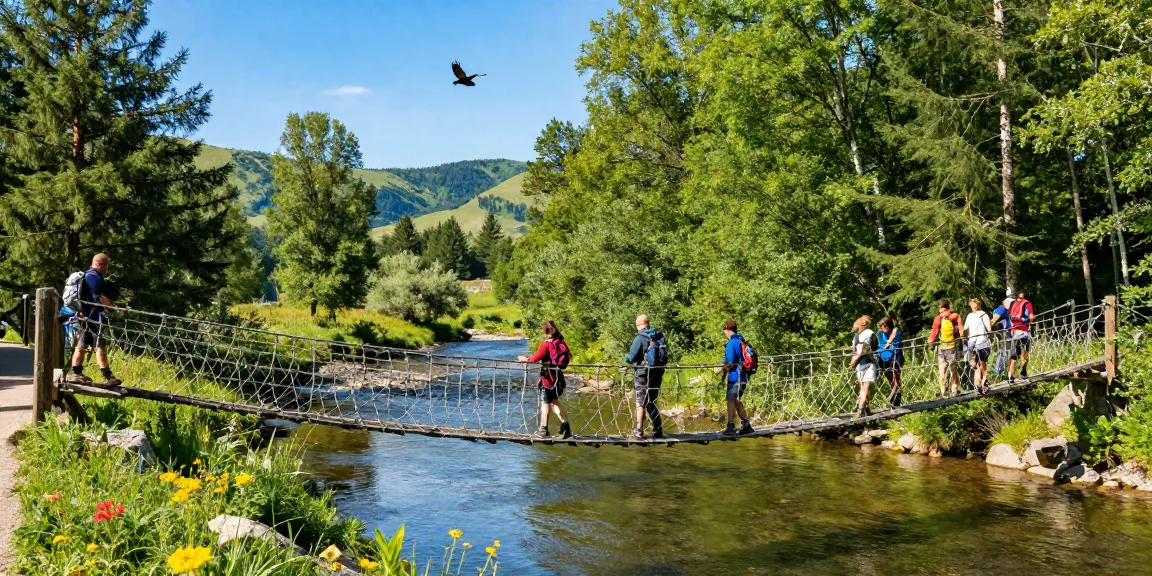
Understanding River Rope Bridges
River rope bridges are not only functional structures but also incredible feats of engineering that enhance outdoor adventures. They provide essential connections across rivers and gorges, allowing hikers, campers, and even locals to traverse difficult terrains. As outdoor enthusiasts increasingly seek unique experiences, the allure of a river rope bridge is undeniable, thanks in part to its synthesis of adventure and scenic beauty. When exploring options, River Rope Bridge designs offer comprehensive insights into choosing the right bridge for your adventures.
What is a River Rope Bridge?
A river rope bridge is a flexible suspension bridge constructed with various materials, primarily ropes and wooden planks, designed to span a river or gorge. These bridges utilise tension and gravity to remain stable while allowing pedestrians and sometimes light loads to cross safely. Their unique design often combines functionality with aesthetics, making them popular among outdoor enthusiasts.
The Different Types of Rope Bridges
When considering a river rope bridge, it's essential to understand the different types available:
- Simple Rope Bridges: These are basic designs with a minimalistic approach, often consisting of a flat platform suspended by ropes.
- Suspension Bridges: These bridges feature heavier ropes or cables that support the entire structure, allowing for larger spans and greater stability.
- Hanging Bridges: Reminiscent of the traditional designs seen in mountainous regions, these are often built for aesthetic appeal as well as functionality.
History and Cultural Significance
The history of rope bridges dates back thousands of years, with evidence found in ancient Incan societies where grass rope bridges were critical for transportation. These bridges played a vital role in connecting communities, facilitating trade and cultural exchange. Today, they still hold cultural significance in various regions around the world, symbolising both ingenuity and perseverance.
Designing a River Rope Bridge
Designing a river rope bridge involves understanding several key considerations, ensuring that the bridge is safe, functional, and sustainable.
Key Considerations for Design and Safety
When designing a river rope bridge, several safety factors must be taken into account:
- Load Capacity: Calculate the maximum weight the bridge will need to support, including users and environmental factors such as wind and water flow.
- Span Length: Determine how far the bridge needs to stretch across the river, which will influence the materials and design.
- Anchoring System: A robust anchoring system is crucial for maintaining stability. This often includes solid anchors on both riverbanks.
Materials and Construction Techniques
Various materials can be used when constructing a river rope bridge, including:
- Rope: Typically made from synthetic materials or natural fibres, the rope's strength and durability are vital.
- Wood: Wooden planks serve as the deck of the bridge. The type of wood chosen should consider environmental exposure and weight-bearing capacity.
- Metal Components: For added strength, some designs incorporate metal cables or reinforcement components.
Construction techniques also play a significant role, employing traditional methods or modern engineering principles to enhance safety and longevity.
Environmental Impact and Sustainability
Building any structure can affect the surrounding ecosystem. Sustainable practices, such as using local materials and minimising ecological disruption, should be prioritised during the planning stages of a river rope bridge. Engineers should conduct environmental assessments to evaluate the potential effects on local flora and fauna.
Planning Your River Rope Bridge Adventure
For those planning to cross a river rope bridge, preparation is key to ensuring a safe and enjoyable experience.
Best Locations for River Rope Bridges
Some of the most beautiful river rope bridges can be found in:
- The Himalayas: Known for their scenic beauty, many bridges in this region are both functional and breathtaking.
- South America: Rope bridges, particularly in Peru, showcase ancient techniques combined with modern uses.
- The United States: Various trails feature newly constructed rope bridges that offer both accessibility and adventure.
Gear and Preparation Essentials
Before embarking on your river rope bridge adventure, consider the following essential gear:
- Safety harness and helmet
- Quality ropes for emergency situations
- First aid kit
- Appropriate footwear for slippery surfaces
Safety Tips for Crossing
Adhering to safety tips during your crossing can make a significant difference:
- Cross One at a Time: Limiting weight on the bridge can help to avoid overstressing the structure.
- Check the Weather: Ensure conditions are safe, as rain can make surfaces slippery.
- Use a Spotter: Have someone oversee the crossing to assist and ensure everyone’s safety.
Building Your Own River Rope Bridge
For adventurous individuals keen on constructing their own river rope bridge, following a structured approach is essential.
Step-by-Step Construction Guide
Building a river rope bridge typically involves several stages:
- Planning: Assess the location and design based on the specific river and environmental conditions.
- Gathering Materials: Collect all necessary items, including ropes, wooden planks, and anchors.
- Construction: Begin with the anchoring system, followed by the decking and final safety checks.
Choosing the Right Materials
Selecting the appropriate materials will determine not just the bridge's safety but also its longevity. Considerations include:
- The local climate and weather conditions
- Availability of resources
- Budgetary constraints
Regulatory Considerations and Permits
Before commencing construction, it’s crucial to check local regulations. Most regions require permits, especially for structures over public land or waterways. Engaging with local authorities helps ensure compliance and safety standards are met.
Future Trends in River Rope Bridges
The future of river rope bridges is poised for innovation, driven by advances in technology and shifting usage patterns.
Technological Advances in Design
Emerging technologies, such as 3D printing and advanced manufacturing techniques, are beginning to influence how river rope bridges are designed and constructed. These developments can lead to more robust materials and efficient building processes.
Innovative Uses in Recreational Activities
As outdoor recreational activities evolve, river rope bridges are being integrated into adventure parks, eco-tourism, and even training for military applications. This adaptability is expanding the overall appeal of rope bridges.
Predictions for 2026 and Beyond
Looking ahead, we may see an increase in the popularity of river rope bridges as a means of enhancing outdoor experiences. Sustainable practices will likely play a significant role, with a focus on reducing environmental impacts while maximising user enjoyment.
What are the benefits of a River Rope Bridge?
River rope bridges offer numerous benefits, including:
- Enhancing access to remote areas
- Encouraging outdoor recreational activities
- Providing stunning views of nature
How to maintain and care for your River Rope Bridge?
Regular maintenance checks are vital to ensure safety. Inspect the ropes and platforms for wear and tear, and address any issues promptly. Maintenance schedules should ideally coincide with seasonal weather changes.
Where can I find River Rope Bridge kits for sale?
Numerous suppliers offer kits for constructing your own river rope bridge, catering to different levels of expertise and budget. Researching and comparing these options can help you find the most suitable kit for your project.
What safety standards apply to River Rope Bridges?
Safety standards vary by region, but always ensure compliance with local regulations, considering factors like load capacity, materials used, and construction methods. Engaging with engineering professionals can provide additional insight.
How can I incorporate River Rope Bridges in outdoor activities?
River rope bridges can be integrated into hiking trails, eco-tourism packages, and adventure courses to enhance the outdoor experience. Collaborating with local adventure organisations can help in designing such activities.