Understanding Astaxanthin: Nature's Powerful Antioxidant
What is Astaxanthin?
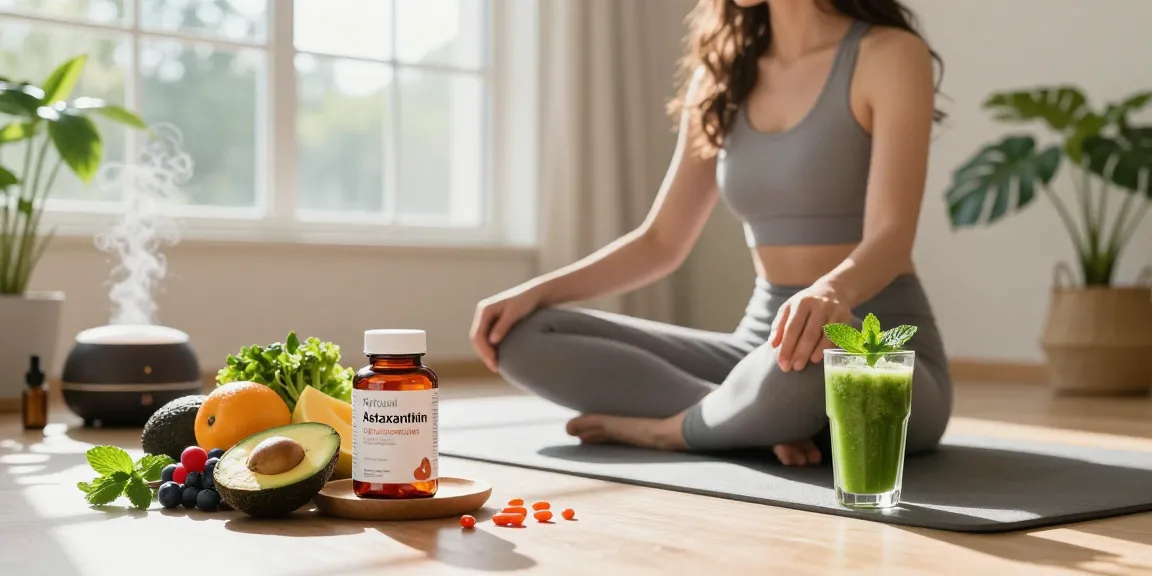
Astaxanthin is a naturally occurring carotenoid, a pigment that gives certain fruits and vegetables their vibrant colors. It can be found in sources like microalgae, salmon, shrimp, and other seafood. Renowned for its potential health benefits, this powerful antioxidant surpasses many others in its potency, making it a popular supplement among health enthusiasts. This article dives deep into the multifaceted benefits of the best astaxanthin, how it works, and ways to incorporate it into your diet.
Health Benefits of Best Astaxanthin
The health benefits of astaxanthin are extensive and well-researched. Its strongest attribute is its ability to combat oxidative stress. By neutralizing harmful free radicals, astaxanthin helps protect cells from damage that can lead to chronic diseases. Here are the top benefits:
- Supports Eye Health: Astaxanthin has been shown to improve eye health by reducing fatigue and protecting the retina from oxidative damage.
- Enhances Skin Health: It aids in maintaining skin elasticity and reduces signs of aging by protecting the skin from UV radiation.
- Improves Athletic Performance: Astaxanthin can enhance endurance and recovery, making it a favorite among athletes.
- Boosts Immune Function: By modulating immune responses, astaxanthin can enhance the body’s ability to fight infections.
How Astaxanthin Works in the Body
Astaxanthin operates on multiple physiological levels. As a potent antioxidant, it neutralizes free radicals, which are unstable molecules that can cause cellular damage. Research indicates that astaxanthin could be significantly more effective than other antioxidants, such as vitamin C. It also supports mitochondrial function, which is essential for energy production in the body's cells. Furthermore, studies suggest that astaxanthin may reduce inflammation and enhance blood flow, contributing to overall health.
Choosing the Best Astaxanthin Supplements
Key Ingredients to Look For
When selecting astaxanthin supplements, it’s crucial to look for high-quality ingredients. Here’s what to consider:
- Natural vs. Synthetic: Natural astaxanthin from microalgae is more bioavailable than synthetic forms.
- Certifications: Look for products that are third-party tested for purity and potency.
- Additional Antioxidants: Some formulas include other antioxidants, boosting overall efficacy.
Dosage Recommendations
The ideal dosage of astaxanthin can vary based on individual needs and health conditions. However, studies suggest a daily intake ranging from 4-12 mg for general wellness and up to 20 mg for athletes or those under physical stress. Always consult with a healthcare provider before starting any new supplement regimen.
Best Astaxanthin Source: Natural vs Synthetic
Natural astaxanthin is typically derived from Haematococcus pluvialis, a type of microalgae known to produce high levels of this carotenoid. It is generally regarded as the superior choice compared to synthetic astaxanthin, which can lack the same efficacy and bioavailability. Choosing a product that indicates natural sourcing can significantly enhance the effectiveness of the supplement.
Astaxanthin: Incorporating It Into Your Diet
Astaxanthin-rich Foods
Integrating astaxanthin-rich foods into your daily diet can be both enjoyable and beneficial for your health. Here are some excellent sources of astaxanthin:
- Wild-caught Salmon: Known for its vibrant pink color, salmon is one of the top natural sources.
- Shrimp and Crustaceans: These seafood varieties also contain astaxanthin and can be delicious additions to meals.
- Crab: Another seafood option that provides a good dosage of this potent antioxidant.
- Green Algae: For those on a plant-based diet, algae-based supplements offer an excellent alternative.
Recipes Featuring Astaxanthin
Incorporating astaxanthin into your meals can be simple. Here are some recipe ideas that highlight astaxanthin-rich ingredients:
- Grilled Salmon Salad: Top a bed of greens with grilled salmon, avocado, and a light lemon vinaigrette.
- Shrimp Stir-Fry: Quickly sauté shrimp with broccoli and bell peppers, served on a bed of quinoa.
- Creamy Crab Pasta: Toss whole wheat pasta with crab, a splash of cream, and fresh herbs.
Tips for Healthy Lifestyle Integration
To maximize the benefits of astaxanthin, consider these lifestyle integration tips:
- Consistency: Incorporate it into your daily routine for optimum results.
- Diverse Diet: Aim for a colorful plate rich in antioxidants.
- Stay Hydrated: Drinking plenty of water supports cellular health.
Astaxanthin for Skin Health
Benefits for Skin Aging
One of the most promising areas for astaxanthin is its role in skin health. Research has shown that astaxanthin can improve skin elasticity, reduce the appearance of fine lines, and provide protection against UV damage. It works by improving skin hydration and reducing oxidative stress, making it a powerful ally in the fight against aging.
Astaxanthin in Skincare Products
In recent years, astaxanthin has made its way into various skincare products, from serums to creams. Look for formulations that contain astaxanthin as a key ingredient, particularly in products marketed for anti-aging. Its ability to penetrate the skin barrier allows it to provide vital nutrients directly to the skin, enhancing efficacy dramatically.
Practical Use: Dosage for Skin Benefits
For skin health, topical application of products containing astaxanthin generally provides noticeable benefits. When using supplements, aiming for 2-6 mg per day can help achieve skin health benefits, but pairing these with topical formulations can enhance results and improve skin resilience to environmental stressors.
Frequently Asked Questions about Best Astaxanthin
What Are the Side Effects of Astaxanthin?
Astaxanthin is generally regarded as safe, with no significant side effects reported in healthy individuals. Some may experience mild digestive issues but discontinuation usually resolves this.
How Long Does It Take to See Results from Astaxanthin?
Visible results can vary, but many individuals report improvement in energy levels and skin health within 2-4 weeks of consistent use.
Can Astaxanthin Help with Exercise Recovery?
Yes, studies show that astaxanthin can reduce muscle soreness and improve recovery time, making it beneficial for athletes and active individuals.
Is Astaxanthin Safe for Long-term Use?
Research indicates that astaxanthin is safe for prolonged use when taken within recommended dosages, with no known tolerance development.
Who Should Consider Taking Astaxanthin?
Astaxanthin is suitable for anyone looking to enhance their antioxidant intake, improve skin health, or support recovery from exercise. Always consult with a healthcare professional before starting any supplement regimen.