Understanding Machined Stainless Steel Parts
Machined stainless steel parts are critical components utilized in various industrial applications. These parts are crafted through precise machining processes, which involve shaping and cutting solid blocks of stainless steel to achieve exact dimensions and specifications. This type of manufacturing process is essential for industries that require high durability, corrosion resistance, and intricate designs. As we delve into the intricacies of these parts, it’s important to note that when exploring options, machined stainless steel parts are often preferred due to their superior performance characteristics.
What Are Machined Stainless Steel Parts?
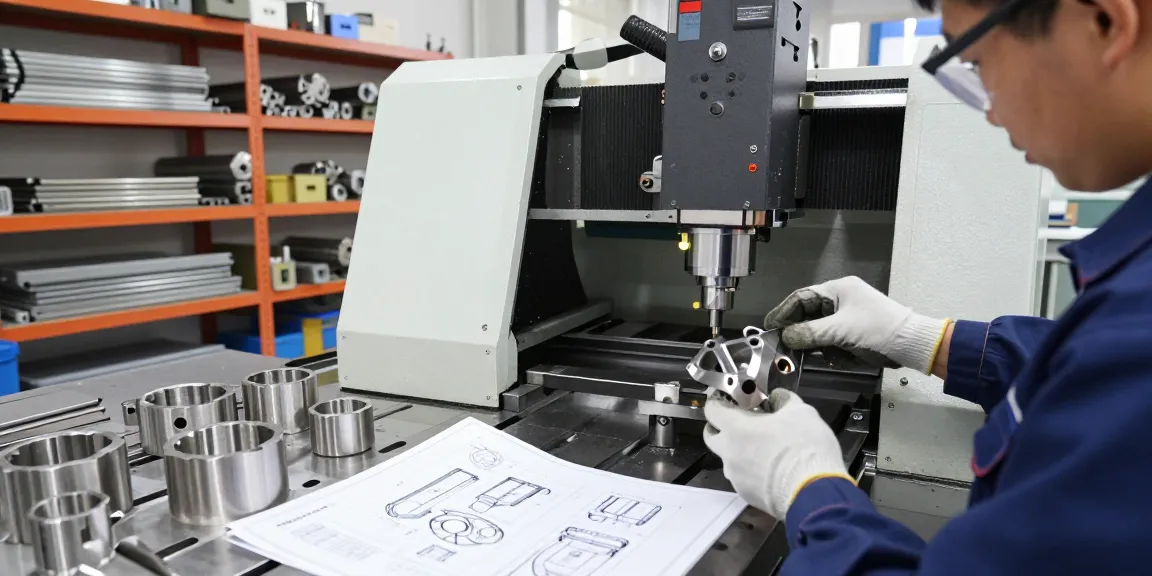
Machined stainless steel parts are created by removing material from a solid piece of stainless steel using various machining techniques such as turning, milling, drilling, and grinding. The process converts raw material into precision components with exact tolerances, which are critical for applications in sectors such as aerospace, automotive, medical, and industrial machinery. The choice of stainless steel alloy, such as 304 or 316, further enhances the part's properties, making them ideal for specific applications where strength and corrosion resistance are paramount.
Benefits of Using Stainless Steel in Machining
- Corrosion Resistance: Stainless steel's inherent resistance to rust and corrosion makes it suitable for both indoor and outdoor applications.
- Durability: Machined stainless steel parts are robust and can withstand harsh environments, ensuring longevity.
- Versatility: These parts can be fabricated into complex shapes and sizes, allowing for customization according to specific requirements.
- Temperature Resistance: Stainless steel performs well under extreme temperatures, which is essential for many industrial applications.
- Aesthetic Appeal: The shiny surface finish of stainless steel adds an aesthetic quality desirable in visible applications.
Common Applications of Machined Stainless Steel Parts
Machined stainless steel parts are widely used in various industries, including:
- Aerospace: Flight components where weight and durability are critical.
- Medical: Surgical instruments and implants that require sanitation and precision.
- Automotive: Engine components and fasteners that endure high stress.
- Food Processing: Equipment that must meet hygiene standards and resist corrosion.
Key Trends in Machined Stainless Steel Parts for 2026
As we approach 2026, several key trends in the machining of stainless steel parts are emerging, shaped by technological advancements and market demands.
Advancements in CNC Machining Technologies
The rise of Computer Numerical Control (CNC) machines has revolutionized the manufacturing landscape for stainless steel parts. Newer machines are equipped with advanced algorithms that optimize machining processes for increased efficiency and precision. Innovations such as multi-axis CNC machining allow for more complex shapes to be machined in fewer setups, reducing lead times and costs.
Emerging Applications Across Industries
With continuous innovation, new applications for machined stainless steel parts are emerging. Industries like renewable energy are increasingly using these parts in wind turbines and solar panel installations. Moreover, advancements in medical technology have led to the demand for more precise stainless steel components in solutions like robotic surgery devices.
Sustainability Practices in Stainless Steel Machining
As environmental concerns grow, manufacturers are focusing on sustainability. This includes using energy-efficient machinery, recycling stainless steel scrap, and minimizing waste during the machining process. The shift towards eco-friendly practices not only addresses regulatory demands but also enhances corporate responsibility, appealing to environmentally-conscious consumers.
Challenges in Machining Stainless Steel Parts
While the machining of stainless steel parts offers numerous benefits, there are also challenges that manufacturers must navigate.
Common Machining Difficulties and Solutions
Machining stainless steel can be challenging due to its toughness and work-hardening properties. The material can cause excessive wear on cutting tools, leading to increased costs and downtime. To mitigate these issues, manufacturers often employ specialized tooling and lubricants to enhance cutting performance and extend tool life.
Tool Wear and Material Selection Challenges
Selecting the right tools and materials is essential for effective machining. Tool wear can vary significantly based on the type of stainless steel alloy being machined, necessitating a tailored approach for each project. Understanding the properties of different alloys and their machinability is crucial for manufacturers to achieve optimal results.
Cost Considerations in Production
The cost to machine stainless steel parts can be higher compared to other materials due to its machining difficulties and material costs. Manufacturers need to balance quality and cost-effectiveness, often opting for design modifications or alternative materials when necessary to maintain profitability while meeting stringent quality standards.
Best Practices for Manufacturers
To successfully navigate the complexities of machining stainless steel parts, manufacturers can adopt several best practices.
Optimizing CNC Machine Settings for Stainless Steel
Adjusting CNC machine settings, such as feed rates and spindle speeds, is vital for achieving optimal machining conditions. Manufacturers should regularly calibrate their machines and employ simulation software to predict machining outcomes, thereby reducing trial and error during production.
Quality Control Methods for Machined Parts
Implementing rigorous quality control measures can help detect and rectify issues early in the manufacturing process. Techniques such as Statistical Process Control (SPC) and regular inspection of tolerances can ensure that machined parts meet the required specifications and reduce scrap rates.
Preventing Defects in Machined Stainless Steel
To minimize defects such as burrs and surface imperfections in machined stainless steel parts, manufacturers should invest in proper tooling and maintenance. Regular training for operators on machining best practices also plays a significant role in maintaining quality.
Future of Machined Stainless Steel Parts
Looking ahead, the future of machined stainless steel parts appears promising, driven by technological innovations and evolving market needs.
Technological Innovations on the Horizon
Emerging technologies like additive manufacturing and artificial intelligence are set to revolutionize the machining landscape. These innovations will not only streamline production processes but also enhance customization and reduce waste, making production more sustainable.
Market Predictions for Stainless Steel Parts
Market analysts predict a steady growth in the demand for machined stainless steel parts, driven by the expansion of industries such as automotive and aerospace. As companies seek high-performance materials that comply with regulatory standards, the reliance on stainless steel is likely to increase.
Preparing for Industry Changes in 2026
Manufacturers must remain agile and ready to adapt to changes in technology and market dynamics. Investing in workforce development, staying updated with industry standards, and fostering innovation are essential strategies to remain competitive in the evolving landscape of machined stainless steel parts.
What materials are best for CNC machining stainless steel parts?
When it comes to CNC machining, materials like 304 and 316 stainless steel are commonly preferred due to their favorable combination of machinability and corrosion resistance. The specific application will often dictate the choice of alloy.
How does machining affect the strength of stainless steel parts?
The machining process can influence the mechanical properties of stainless steel, particularly through work hardening. Proper machining techniques can help maintain the material's integrity while enhancing strength in critical areas.
What industries commonly use machined stainless steel parts?
Machined stainless steel parts find applications in a variety of industries, including aerospace, automotive, medical, and food processing, primarily due to their durability and resistance to corrosion.
Can machined stainless steel parts be recycled?
Yes, stainless steel is 100% recyclable without loss of quality, making it an environmentally friendly option for manufacturers and industries concerned about sustainability.
What are the advantages of custom machined parts?
Custom machined parts offer precise fit and function tailored to specific applications, enabling manufacturers to optimize performance and reduce waste in production processes.