
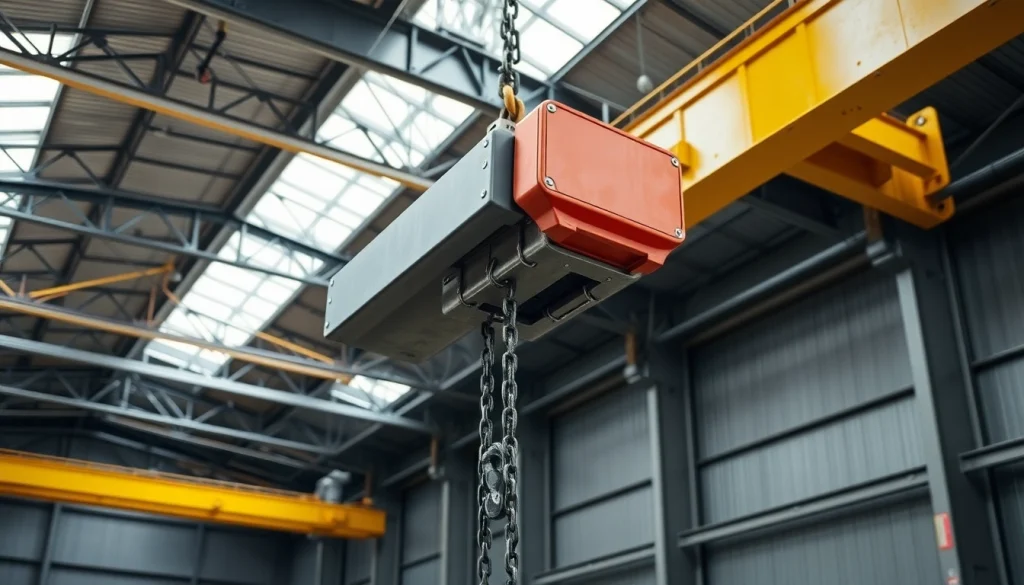
Understanding Electric Chain Hoists
Electric chain hoists are essential tools in various industrial settings, providing reliable and efficient lifting solutions for heavy loads. These systems utilize an electric motor to power a chain mechanism, enabling them to lift, lower, and position materials with remarkable precision. With increasing demand for enhanced productivity in manufacturing and construction, the electric chain hoist crane has emerged as a vital component of modern operations, ensuring safety and efficiency in material handling.
What is an Electric Chain Hoist Crane?
An electric chain hoist crane is a type of hoisting equipment designed for lifting and moving heavy loads vertically and horizontally. Unlike manual chain hoists that rely on human effort, electric chain hoists offer automated lifting solutions, making them ideal for tasks requiring frequent or heavy lifting. They consist of several key components, including the electric motor, chain drive, hook, and control system, all of which work in conjunction to facilitate safe and efficient lifting operations.
Key Features of Electric Chain Hoists
- Variable Load Capacities: Electric chain hoists are available in a range of capacities, typically ranging from 1/8 ton to several tons, catering to diverse lifting needs.
- Precise Control: Equipped with advanced control systems, these hoists allow for smooth starts, stops, and variable speeds, offering operators precise control over load movements.
- Durability: Built with robust materials, electric chain hoists are designed to withstand harsh industrial environments, providing long-lasting performance.
- User-Friendly Controls: Many modern electric chain hoists come with easy-to-use controls, including remote control options, enhancing operator comfort and safety.
Common Applications in Industry
Electric chain hoists are versatile tools used across multiple industries. Common applications include:
- Manufacturing: Ideal for lifting heavy machinery, equipment, and raw materials.
- Construction: Used extensively on construction sites for hoisting building materials and components.
- Warehousing: Beneficial for moving pallets and heavy items in storage facilities.
- Maintenance: Essential for lifting components in maintenance activities within factories and plants.
Benefits of Using Electric Chain Hoists
Increased Efficiency and Speed
One of the primary benefits of electric chain hoists is their ability to significantly increase operational efficiency. By eliminating the need for manual labor in lifting heavy loads, these hoists complete tasks faster and more accurately. This increased speed not only boosts productivity but also enables companies to accomplish more work in less time, contributing to overall operational efficiency.
Reduced Labor and Safety Hazards
Electric chain hoists minimize the risks associated with manual lifting, which can lead to workplace injuries. With automated lifting mechanisms, operators can avoid physical strain and reduce the potential for accidents. Additionally, many electric chain hoists are designed with safety features such as overload protection and emergency stop functions, further enhancing workplace safety.
Energy Efficiency and Cost Savings
Modern electric chain hoists are designed with energy-efficient motors, which reduce power consumption during operation. This not only lowers operational costs but also minimizes the environmental impact of industrial activities. Over time, the savings generated from reduced energy costs can contribute significantly to a company’s bottom line.
Choosing the Right Electric Chain Hoist Crane
Capacity Considerations and Load Ratings
When selecting an electric chain hoist, understanding load capacities and ratings is critical. Different tasks will require different hoist capacities. Ensure to choose a hoist that exceeds the maximum load you anticipate lifting, as this will provide a safety margin during operation. Moreover, it’s essential to account for dynamic loads, which can be higher during lifting due to inertia.
Electrical vs. Manual Chain Hoists
While both manual and electric chain hoists serve similar purposes, they differ significantly in operation and efficiency. Manual chain hoists require physical strength to lift loads, making them suitable for lighter, less frequent tasks. In contrast, electric chain hoists automate the lifting process, making them preferable for larger, heavier loads and frequent use, as they reduce operator fatigue and increase safety.
Vendor Comparison: Features and Support
Not all electric chain hoists are created equal, and it is crucial to compare various vendors based on their product offerings, features, warranties, and customer support. Look for brands known for their quality and reliability, as well as those providing comprehensive customer support and maintenance options. Reviews and ratings can also offer insights into the performance and durability of specific models.
Best Practices for Operating Electric Chain Hoists
Safety Protocols and Compliance Standards
Operators need to adhere to strict safety protocols when using electric chain hoists. This includes regular training on proper operational procedures, familiarization with load limits, and understanding emergency procedures. Compliance with industry regulations, such as those set by OSHA, ensures a safer work environment and minimizes liabilities associated with accidents.
Regular Maintenance and Inspection Tips
To maintain optimal performance and safety, electric chain hoists require regular maintenance and inspection. Key maintenance tasks include:
- Frequent checks for wear and tear on chains and hooks.
- Lubrication of moving parts to reduce friction and wear.
- Testing safety features and controls to ensure they are functioning properly.
Training for Operators and Personnel
Effective training programs are essential for operators handling electric chain hoists. Training should cover safe operating procedures, emergency response, and routine maintenance guidelines. Regular refresher courses can reinforce safe practices and keep operators updated on new technologies or procedures.
Future Trends in Electric Chain Hoist Technology
Automation and Smart Technology Integration
The future of electric chain hoists is leaning towards increased automation and smart technology integration. This includes enhanced controls, real-time monitoring, and IoT connectivity which allows for data collection on usage patterns, performance metrics, and predictive maintenance needs. These advancements aim to further enhance efficiency and reduce downtime in industrial operations.
Advancements in Design and Materials
New designs are focusing on lightweight materials without compromising strength, allowing for easier handling and installation. Innovations in hoist materials are improving durability and longevity, making electric chain hoists more reliable than ever.
Market Predictions for the Coming Years
As industries continue to evolve, the demand for electric chain hoists is expected to rise, driven by the need for automation and increased efficiency. Furthermore, advancements in technology and materials will enhance hoist performance, offering more options for various applications.