
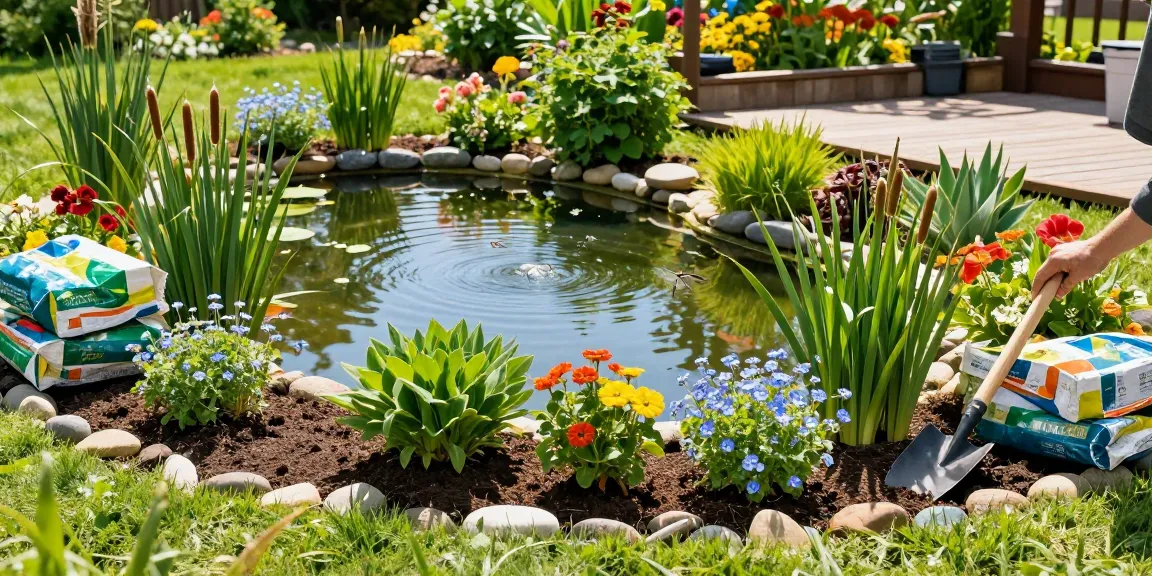
Understanding Marginal Pond Plants
Marginal pond plants are a vital component of any aquatic ecosystem, serving as the transitional species that grow along the edges of ponds, lakes, and waterways. These plants thrive in waterlogged soil and play an essential role in maintaining the health and aesthetics of your pond. If you’re looking to enhance your pond’s biodiversity and beauty, you should Buy Marginal Pond Plants. This guide will explore their benefits, types, and care, equipping you with the knowledge needed to cultivate a thriving aquatic environment.
What Are Marginal Pond Plants?
Marginal pond plants refer to a diverse group of flora that flourishes at the water’s edge. These species include a variety of grasses, sedges, and flowering plants that prefer shallow water, typically ranging from a couple of inches to a foot deep. They provide crucial habitat for wildlife, filtration for water, and aesthetic enhancement to your pond. Some common examples include Pickerel Rush, Water Iris, and Marsh Marigold, all contributing to the ecological balance and visual appeal of the outdoor space.
The Benefits of Using Marginal Plants
Incorporating marginal plants into your pond offers several significant benefits:
- Water Quality Improvement: They enhance water clarity by filtering pollutants, reducing algae growth.
- Wildlife Habitat: These plants provide shelter and food for various species, including amphibians, birds, and beneficial insects.
- Erosion Control: Their root systems stabilize the shoreline, preventing soil erosion and habitat loss.
- Aesthetic Value: Marginal plants add color, texture, and interest to the pond’s landscape, creating a visually appealing environment.
Common Types to Consider for Your Pond
When selecting marginal plants for your pond, consider the following popular options:
- Water Iris (Iris pseudacorus): This plant features vibrant yellow flowers and thrives in wet conditions, making it a striking addition.
- Pickerel Rush (Pontederia cordata): Known for its tall, spiky flowers, this plant attracts pollinators and provides excellent cover.
- Marsh Marigold (Caltha palustris): These yellow-flowered perennials bloom in early spring, brightening the shoreline.
- Golden Club (Orontium aquaticum): This unique plant features distinct club-shaped flowers and thrives in shallow waters.
Buying Guide for Marginal Pond Plants
Where to Buy Marginal Pond Plants?
When it comes to purchasing marginal pond plants, you have various options available. Local garden centers, specialized aquatic nurseries, and online retailers often stock a variety of species suited for different environments. For the best selection and quality, consider purchasing from stores that specialize in aquatic plants. Additionally, explore reputable online options that provide comprehensive information on each plant species.
Choosing Quality and Healthy Plants
Selecting high-quality plants is crucial to establishing a successful pond ecosystem. Here are some tips:
- Check for Pest Damage: Inspect for any signs of pests or diseases that could harm your pond.
- Look for Strong Roots: Healthy plants should have well-developed root systems, indicating vigor.
- Assess Leaf Condition: Leaves should be vibrant and free from spots; yellowing may indicate poor health.
Understanding Pricing and Value
The price of marginal pond plants can vary significantly based on species, size, and where you buy them. While it may be tempting to go for the cheapest option, consider the long-term value of investing in high-quality plants. Quality plants are more likely to thrive, reducing the need for replacements and further costs down the line.
Planting and Caring for Marginal Pond Plants
Best Practices for Planting
Planting marginal pond plants requires careful consideration of depth and spacing. Follow these guidelines:
- Depth: Ensure that the planting depth matches the specific requirements of each plant species.
- Spacing: Space the plants adequately to allow for growth; crowded plants may compete for resources.
- Soil Preparation: Use a nutrient-rich soil mix that promotes healthy growth and supports the plants’ root systems.
Maintenance Tips for Longevity
To keep your marginal plants thriving, regular maintenance is essential. Implement the following practices:
- Consistent Water Levels: Keep water levels stable to ensure your plants have adequate moisture.
- Fertilization: Apply slow-release fertilizers during the growing season to encourage robust growth.
- Pruning: Regularly trim dead leaves and spent flowers to promote new growth and prevent decay.
Common Challenges and Solutions
Maintaining marginal plants can present various challenges, but many can be addressed with proactive measures:
- Pest Management: Use organic pesticides and encourage beneficial insects to control pests naturally.
- Algal Blooms: Implement biological control methods and ensure proper water circulation to mitigate algae growth.
- Plant Competition: Regularly monitor your plants and remove invasive species that may disrupt the ecosystem.
Designing Your Pond with Marginal Plants
Creating an Aesthetically Pleasing Layout
Designing your pond with marginal plants can enhance both beauty and biodiversity. Consider using a mix of heights, colors, and textures to create visual interest. Arrange taller plants towards the back and shorter varieties in front to create depth. Additionally, use native species whenever possible, as they are better adapted to local conditions and provide essential habitats for local wildlife.
Integrating Wildlife and Ecosystems
Marginal pond plants play a crucial role in creating a balanced ecosystem. By incorporating a variety of species, you can attract a broad range of wildlife, such as amphibians, birds, and beneficial insects. Providing shelter and food sources encourages biodiversity, which is essential for a healthy pond environment.
Seasonal Changes and Plant Selection
Consider seasonal changes when selecting your marginal plants. Some species thrive in early spring, while others may peak in summer. Plan your plantings to ensure year-round interest and functionality. For instance, opting for plants that provide winter interest can enhance the beauty of your pond, even during the colder months.
Future Trends in Pond Gardening for 2026
New Varieties of Marginal Plants to Watch
As we look toward 2026, several new varieties of marginal pond plants are gaining popularity. Hybrid species are being developed for enhanced resilience to changing climates and water conditions. These new options offer improved aesthetics and functionality, making them an exciting choice for pond enthusiasts.
Innovative Designs for Sustainable Ponds
Future pond designs will increasingly focus on sustainability. This includes using native plants that require less maintenance and fewer resources while also supporting local wildlife. Integrating features like biofilters and natural filtration systems will enhance water quality while blending seamlessly with the landscape.
Expert Insights and Predictions for Pond Trends
Experts predict that the future of pond gardening will lean heavily on ecological practices. This includes using plants that foster biodiversity, improving water quality organically, and designing landscapes that harmonize with nature rather than disrupt it. As awareness of environmental issues continues to grow, more pond enthusiasts will seek to create spaces that not only look good but also support local ecosystems.
How Do I Select the Right Marginal Pond Plants?
Choosing the right marginal pond plants involves assessing your local climate, pond size, and desired aesthetics. Take into account the specific growing conditions each plant requires, such as sunlight and moisture levels, to ensure successful growth.
Can Marginal Plants Help with Water Quality?
Yes, marginal plants significantly improve water quality by filtering pollutants and providing oxygenation. Their root systems absorb excess nutrients, which can reduce algae growth and promote a healthier aquatic environment.
Are There Any Invasive Marginal Plant Species?
Certain plants can become invasive if not managed properly. Species like Common Reed and some types of Water Hyacinth can quickly take over a pond, outcompeting native plants and disrupting local ecosystems. It’s essential to research and monitor the plants you introduce into your pond.
What Maintenance Do Marginal Plants Require?
Marginal plants require regular maintenance such as watering, fertilizing, and occasional pruning to maintain their health and vigor. Understanding the specific needs of each plant species will ensure they thrive in your pond environment.
How Can I Attract Wildlife to My Pond with Plants?
To attract wildlife, choose a diverse mix of native marginal plants that provide food and shelter. Additionally, implement features like logs and rocks that create habitats for various species, enhancing the biodiversity of your pond.