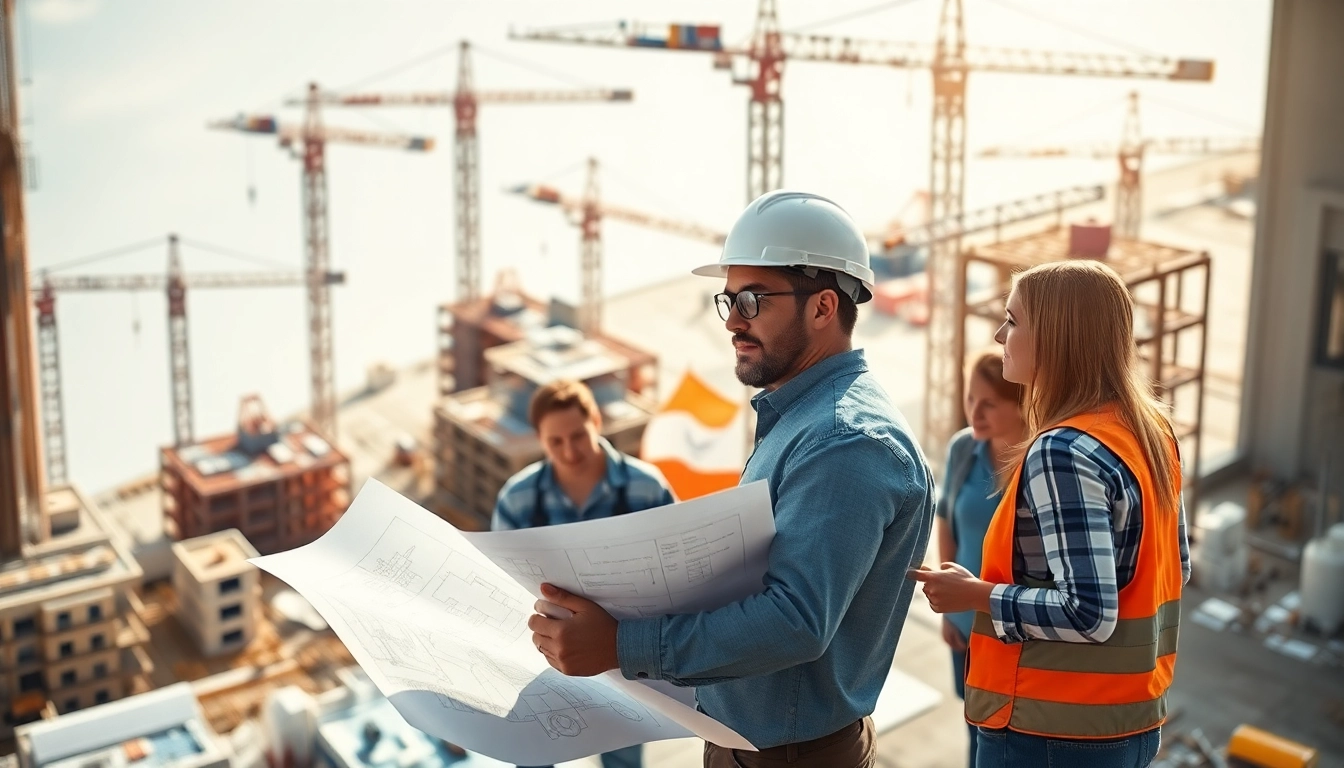
Introduction to Building Developer
The real estate landscape is constantly evolving, with professionals known as building developer playing a crucial role in shaping our urban environments. These individuals not only buy, improve, and sell properties, but they also facilitate new construction projects that address the needs of communities. As the demand for housing and commercial spaces rises, understanding the pivotal role of building developers becomes essential for anyone interested in real estate or urban development.
Defining the Role of a Building Developer
A building developer is essentially a person or entity that manages the process of property development. This encompasses a range of activities from acquiring land, overseeing construction, managing project budgets, and finally selling or leasing properties. Unlike general contractors who focus on the construction phase, building developers are involved with the financial and strategic aspects of real estate, making their role vital in the entire development cycle.
Importance of Building Developers in Real Estate
Building developers act as the bridge between landowners, contractors, architects, and potential buyers. They perform extensive market research to identify the ideal location and type of developments needed, ensuring that new properties meet market demands. Furthermore, they facilitate zoning approvals and navigate through bureaucratic processes that can often be lengthy and complicated. Their expertise contributes to urban planning and the sustainable growth of communities, making them indispensable in today’s real estate market.
Key Skills and Qualifications for Building Developers
To be successful, a building developer must possess a unique mix of skills:
- Project Management: Effective planning and execution are paramount, as developers often juggle multiple projects simultaneously.
- Financial Acumen: Understanding financing options, budgeting, and financial forecasting is essential for managing project viability.
- Negotiation Skills: Building developers frequently negotiate contracts with contractors, architects, and land sellers.
- Networking: Building strong relationships within the industry can lead to new opportunities and successful partnerships.
- Regulatory Knowledge: Familiarity with local zoning laws and building codes is crucial for compliance and project approval.
Steps to Becoming a Building Developer
Educational Pathways and Certifications
There is no singular route to becoming a building developer, but there are common paths that can be beneficial. Many successful developers hold degrees in fields such as real estate, finance, business, or urban planning. Additionally, acquiring certifications in project management or real estate development can provide a competitive edge. Ongoing education through workshops, seminars, and industry conferences is also advantageous to stay updated on trends and regulations.
Gaining Practical Experience in Development
Gaining hands-on experience is invaluable in this field. Aspiring developers may start in related positions, such as working for real estate firms, construction companies, or even local government agencies involved in zoning and permitting. Internships or entry-level positions can provide insights into the complexities of the development process and help build a foundation of experience.
Building a Professional Network in the Industry
Networking is crucial for building developers as it opens doors to partnerships, funding, and resources. Attending industry events and joining professional organizations can connect you with seasoned professionals. Building strong relationships can lead to collaborative opportunities that enhance project success and individual growth.
Key Responsibilities of a Building Developer
Project Management and Supervision
One of the primary responsibilities of a building developer is to oversee the project from conception to completion. This involves creating timelines, allocating resources, and coordinating with various stakeholders. Effective project management ensures that developments are completed on time, within budget, and to the desired quality standards.
Financial Planning and Budget Management
Financial planning is crucial throughout the development process. Building developers must create detailed budgets that account for land acquisition, materials, labor, and unforeseen expenses. Maintaining a keen awareness of financial metrics helps to ensure profitability and the overall success of the project.
Collaboration with Contractors and Architects
Building developers work closely with architects to design plans that meet both aesthetic and practical needs. Once plans are in place, developers collaborate with contractors to execute the construction phase. Clear communication and collaboration are paramount to ensuring that the project aligns with the original vision and remains compliant with regulations.
Challenges Facing Building Developers Today
Navigating Zoning and Regulatory Issues
The regulatory landscape can be a significant hurdle for building developers. Zoning laws vary widely across locations, and navigating these can be tedious and time-consuming. Understanding local regulations and maintaining compliance is crucial to avoid costly legal issues that could delay projects.
Adapting to Market Changes and Trends
The real estate market is subject to fluctuations influenced by economic factors, consumer preferences, and technological advances. Building developers must remain agile, analyzing market trends and shifting consumer demands to adjust their development strategies accordingly.
Environmental Considerations and Sustainable Practices
Today’s building developers face increasing pressure to adopt sustainable practices. This encompasses everything from energy efficiency in construction to water conservation during the development process. Adhering to environmentally friendly practices not only ensures compliance with regulations but also enhances the marketability of properties.
Future Trends in Building Development
Technological Innovations in Construction
The construction industry is experiencing a technological revolution, with advancements such as Building Information Modeling (BIM), drones, and artificial intelligence transforming traditional practices. Building developers that embrace these technologies can enhance efficiency, reduce costs, and improve project outcomes.
The Rise of Sustainable Development Projects
As sustainability becomes a focal point in society, building developers are increasingly focusing on eco-friendly projects. This includes using sustainable materials, implementing green building practices, and developing smart homes with energy-efficient technologies. Being proactive about sustainability can give developers a competitive edge in the market.
Impact of Economic Factors on Building Development
Economic factors such as interest rates, inflation, and employment rates directly impact demand for real estate. Building developers must stay informed about the broader economic landscape, adjusting their strategies to accommodate changes in the market and ensure their initiatives remain profitable.
FAQs
What is a building developer?
A building developer is a professional focused on buying, improving, and selling properties, as well as initiating new construction projects to meet market needs.
How do you become a building developer?
There is no single path, but pursuing degrees in real estate, finance, or urban planning, along with gaining practical experience, is beneficial.
What skills are needed to be a successful building developer?
Project management, financial acumen, negotiation skills, networking, and regulatory knowledge are critical for success in building development.
What are the typical responsibilities of a building developer?
They manage projects, oversee finances, coordinate with architects and contractors, and ensure compliance with regulations throughout the development process.
What are the current challenges facing building developers?
They face challenges like market fluctuations, regulatory changes, rising construction costs, and increasing demand for sustainable development practices.