Understanding Astaxanthin and Its Benefits
What Is Astaxanthin?
Astaxanthin is a vibrant red carotenoid pigment recognized for its powerful antioxidant properties. This natural compound can be found in a variety of microalgae, crustaceans like shrimp and lobster, and fish such as salmon. Unlike many other antioxidants, astaxanthin is known for its unique ability to cross the blood-brain barrier and the blood-retina barrier, which enhances its effectiveness in promoting cellular health. Studies have indicated that astaxanthin is significantly beneficial in reducing oxidative stress and inflammation, marking it as a popular choice for health-conscious individuals. Those seeking optimal wellness often navigate towards the best astaxanthin supplements for their wide array of health benefits.
How Astaxanthin Works in the Body
Astaxanthin functions through several mechanisms that fortify health. Primarily, it neutralizes free radicals, preventing cell oxidative damage. This action is paramount for young, healthy cells and tissues. Furthermore, astaxanthin enhances immune response by inducing the production of immune cells. The compound’s lipid-soluble nature allows it to integrate well into cell membranes, which helps maintain structural integrity and functionality. Additionally, astaxanthin boosts mitochondrial function, leading to increased energy production and reduced fatigue. It’s these multifaceted mechanisms that contribute to its growing reputation in the health sector.
Key Health Benefits of Best Astaxanthin
The benefits of the best astaxanthin are numerous and well-documented. Research has pointed to several key advantages:
- Skin Health: Astaxanthin reduces signs of aging by improving skin elasticity and hydration. It protects against UV damage and promotes an even skin tone.
- Eye Health: The compound aids in protecting the retina and can help reduce the progression of age-related macular degeneration.
- Joint Health: Astaxanthin has anti-inflammatory properties that help alleviate joint pain and stiffness associated with arthritis.
- Cardiovascular Health: By reducing oxidative stress, astaxanthin contributes to improved heart health, lowering cholesterol levels and boosting overall cardiovascular function.
- Exercise Performance: Many athletes use astaxanthin to enhance endurance and recovery, showcasing improvements in stamina and muscle fatigue reduction.
Choosing the Right Astaxanthin Supplement
Types of Astaxanthin Supplements
When it comes to choosing astaxanthin supplements, options vary significantly. The most common forms include:
- Powder Form: Ideal for those who prefer to add it to smoothies or other recipes.
- Softgel Capsules: Easy to consume, providing pre-measured doses of astaxanthin.
- Liquid Extracts: Highly bioavailable and can be easily added into beverages.
Selecting the right type often depends on personal preference, dietary habits, and lifestyle. Ensuring the format suits your routine can enhance adherence and effectiveness.
Identifying Quality and Purity
Quality control is crucial when selecting astaxanthin supplements. Here are several tips for ensuring you choose a high-quality product:
- Source of Astaxanthin: Look for products that specify the source, ideally from Haematococcus pluvialis, known for yielding the highest quality astaxanthin.
- Certificates of Analysis: Reputable brands often provide certificates confirming potency and purity, ensuring compliance with health standards.
- Third-Party Testing: Verify if the product has undergone independent testing for contaminants, including heavy metals and toxins.
Being an educated consumer allows you to make informed choices, thus enhancing your health outcomes.
Considerations for Dosage
The appropriate dosage of astaxanthin can vary based on individual health needs, and while the general recommended dosage ranges from 4 to 12 mg per day, consulting with a healthcare provider is advisable for personalized guidance. Timing and consistency are essential; taking astaxanthin with meals may enhance its absorption due to its fat-soluble properties.
Integrating Best Astaxanthin into Your Diet
Food Sources of Astaxanthin
While supplements provide a straightforward way to increase astaxanthin intake, incorporating natural food sources can also be beneficial. Some rich natural sources include:
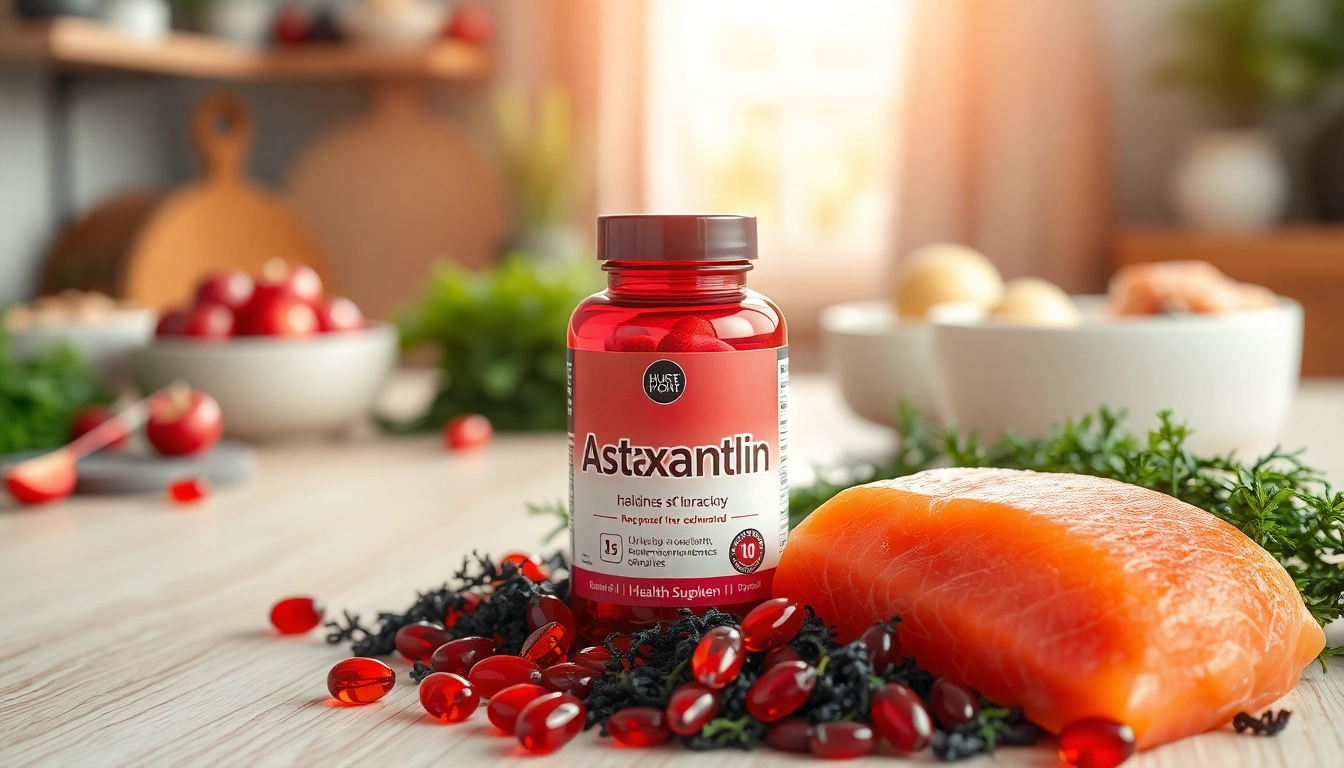
- Salmon: Wild-caught salmon is one of the richest sources of astaxanthin.
- Trout: Another fish high in this carotenoid.
- Krill and Shrimp: Both seafood options are notable for their astaxanthin content.
- Red Algae: Products derived from this source offer good levels of astaxanthin.
Adding a diverse range of these foods can support optimal health while providing a natural source of astaxanthin.
Creative Recipes Featuring Astaxanthin
Incorporating astaxanthin into your meals can be both delicious and easy. Here are a few creative recipes to consider:
- Salmon with Lemon and Herbs: Grilled or baked salmon drizzled with lemon juice and garnished with fresh herbs makes for a nutritious meal rich in astaxanthin.
- Seafood Pasta: A pasta dish featuring shrimp and/or scallops tossed in a garlic and olive oil sauce.
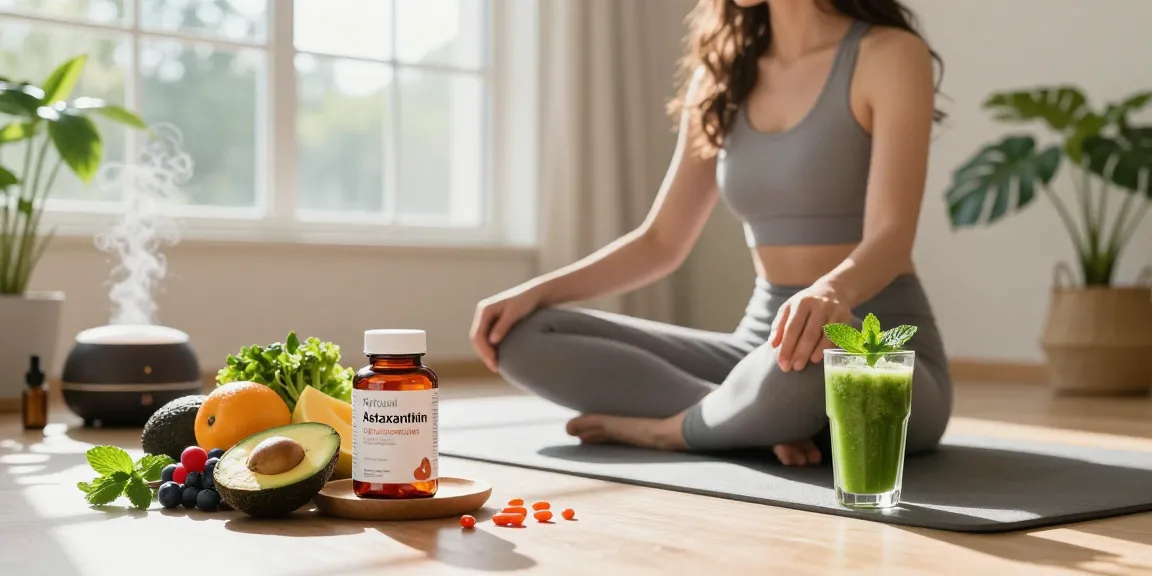
- Astaxanthin Smoothie: Blend spirulina powder with fruits like bananas and spinach for a health-boosting smoothie loaded with astaxanthin.
Health Tips for a Balanced Diet
Incorporating astaxanthin is just one component of a balanced diet. Here are some additional tips that contribute to overall health:
- Focus on a variety of whole foods, including fruits, vegetables, lean proteins, and healthy fats.
- Stay hydrated; water is crucial for optimal bodily functions.
- Plan meals ahead to avoid unhealthy last-minute food choices.
Maintaining a balanced diet not only augments the benefits of astaxanthin but also enhances overall well-being.
Potential Side Effects and Precautions
Understanding Possible Side Effects
While astaxanthin is generally safe for most populations, some individuals may experience mild side effects. These may include digestive disturbances such as bloating or stomach upset. Increased pigmentation of the skin, although harmless, can occur with high intake. Monitoring your response to astaxanthin supplementation can help avoid unwanted effects.
Who Should Avoid Astaxanthin?
Certain individuals may need to avoid or limit astaxanthin intake, particularly pregnant or breastfeeding women. Additionally, individuals on blood-thinning medications or those undergoing surgery should consult a healthcare provider before supplementing. It's essential that these populations engage in careful consideration and discuss their plans with a medical professional.
Consulting with Health Professionals
Engaging a healthcare professional can provide valuable insights regarding the safe ingestion of astaxanthin, especially for those with pre-existing health conditions or concerns. Open communication about your health goals and supplement usage can ensure you achieve optimal benefits safely.
Frequently Asked Questions About Best Astaxanthin
What is the optimal dosage of astaxanthin?
The recommended dosage typically ranges from 4 to 12 mg per day, but it's best to consult with a healthcare provider for personalized advice.
Can astaxanthin improve skin health?
Yes, astaxanthin is known for its antioxidant properties, which can help protect the skin from UV damage and improve skin elasticity.
How long does it take to see benefits from astaxanthin?
Many users report health benefits within 2 to 8 weeks of regular supplementation, depending on individual factors and dosage.
Is astaxanthin safe for everyone?
While generally safe, astaxanthin should be used cautiously by pregnant women or those on certain medications; consult a doctor first.
Can I get enough astaxanthin from my diet alone?
While food sources like salmon and shrimp contain astaxanthin, supplements may be necessary for therapeutic levels.