
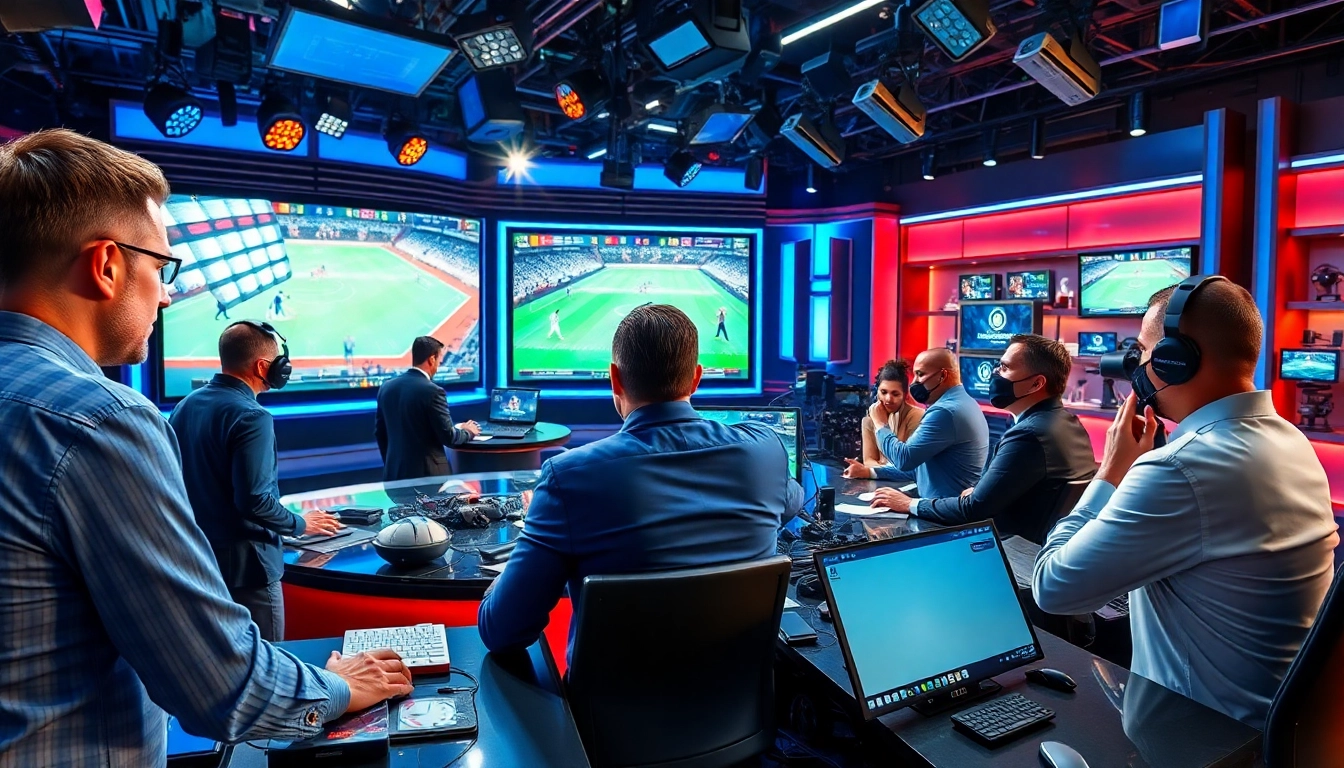
Understanding Sports Broadcasting Essentials
What is Sports Broadcasting?
Sports Broadcasting refers to the live transmission of sports events and related programming to an audience via various media. This industry encompasses multiple platforms including television, radio, and online streaming services, allowing fans to follow their favorite teams and athletes from anywhere in the world. The Sports Broadcasting landscape has seen remarkable growth, fueled by technological advances and evolving audience preferences.
History and Evolution of Sports Broadcasting
The roots of sports broadcasting can be traced back to the early 20th century when the first radio broadcasts provided play-by-play coverage of major sporting events. As technology progressed, television became the dominant medium for sports broadcasts in the 1950s. The introduction of color broadcasting and satellite technology revolutionized the industry, expanding viewer access to live events. The advent of the internet and streaming platforms in the 2000s marked another significant shift, making sports more accessible than ever before.
Key Players and Roles in Sports Broadcasting
Sports broadcasting involves various key roles, including:
- Producers: Responsible for the overall planning and execution of broadcasts.
- Commentators: Provide live descriptions and analysis of events as they unfold.
- Camera Operators: Capture the action from multiple angles to enhance viewer experience.
- Technical Crew: Manage equipment to ensure high-quality audio and video production.
- Social Media Managers: Engage with fans online and provide updates during live events.
Technology Transforming Sports Broadcasting
Modern Broadcasting Tools and Platforms
The rise of digital technology has profoundly impacted sports broadcasting. Modern broadcasters now utilize sophisticated tools like high-definition cameras, drones for aerial footage, and real-time graphic overlays to immerse viewers in the action. Streaming platforms like OTT services have given rise to direct-to-consumer models, allowing fans to subscribe to specific sports or leagues without traditional cable packages—further revolutionizing how audiences consume content.
Impact of Social Media on Sports Broadcasting
Social media platforms have transformed the way sports broadcasting reaches audiences. Live-tweeting, behind-the-scenes content, and interactive fan engagement have become standard practices. Broadcasters leverage social media to promote events, share highlights, and connect with fans in real-time. This multi-platform approach not only elevates viewer engagement but also allows sports personalities to build their brands outside traditional broadcasting.
Integration of Augmented Reality in Broadcasting
Augmented Reality (AR) has introduced a new layer to sports broadcasting, providing additional interactive experiences for fans. Broadcasters use AR to display player statistics in real-time during games, create engaging advertisements, and enhance the overall viewing experience. The blend of real-world visuals with digital enhancements captivates audiences and adds depth to the traditional broadcast format.
Creating Compelling Sports Broadcasting Content
Storytelling Techniques in Sports Broadcasting
Effective sports broadcasting is about more than just the game; it’s about storytelling. Successful broadcasts weave narratives that resonate emotionally with viewers. Techniques include using personal stories of athletes, highlighting rivalries, and emphasizing pivotal game moments that showcase perseverance and passion. Captivating storytelling can significantly enhance viewer engagement and loyalty.
Analyzing Audience Preferences for Better Engagement
Understanding audience preferences is key to tailoring content that resonates. Surveys, viewership data, and feedback mechanisms help broadcasters gauge what fans care about—whether it’s commentary style, presentation format, or specific highlights. Audience analysis drives decisions, ensuring that content is relevant and engaging, thereby maximizing viewer satisfaction.
Effective Interview Strategies with Athletes
Conducting interviews with athletes requires strategic planning. Effective interviewers prepare open-ended questions that encourage athletes to share insightful stories and perspectives. Building rapport and creating a comfortable environment can yield more genuine responses. Moreover, utilizing social media to suggest questions from fans can create a more inclusive interview experience.
Challenges in Sports Broadcasting
Navigating Licensing and Copyright Issues
In the world of sports broadcasting, navigating licensing and copyright issues presents substantial challenges. Broadcasters must secure rights for game footage, music, and even athlete likenesses, which often entails complex negotiations and ongoing management of legal compliance. Failing to adhere to copyright laws can result in hefty fines and loss of credibility.
Maintaining Ethical Standards in Sports Reporting
Ethics in sports broadcasting plays an essential role. Journalists are tasked with reporting fairly and accurately while balancing the excitement of that reporting with the responsibility of providing objective information. Maintaining integrity and respecting athlete privacy is crucial, especially when covering sensitive issues such as injuries or personal matters.
Handling Crisis Management During Live Events
The unpredictability of live sports events means broadcasters must be prepared for crises, from technical malfunctions to sensitive incidents involving athletes. Effective crisis management requires clear protocols, rapid response strategies, and strong communication skills. Preparation and flexibility can empower broadcasters to navigate challenges smoothly and maintain viewer trust even during challenging situations.
Measuring Success in Sports Broadcasting
Key Performance Indicators for Broadcast Reach
Analyzing performance is crucial for success in sports broadcasting. Key Performance Indicators (KPIs) such as viewer ratings, reach, and engagement metrics provide insights into how well broadcasts perform. Understanding these metrics allows broadcasters to adapt strategies, experiment with new content formats, and ultimately enhance viewer experiences.
Utilizing Viewer Feedback for Content Improvement
Viewer feedback is a valuable resource for sports broadcasters seeking to improve content. Incorporating surveys, social media monitoring, and focus groups allows broadcasters to understand their audience’s needs better. Using this data to refine content offerings can lead to greater viewer satisfaction and loyalty, driving long-term success.
Long-Term Strategies for Growth in Sports Broadcasting
Forging a path for growth in sports broadcasting involves developing long-term strategies that include audience engagement, innovative content creation, and diversified distribution channels. Broadcasters should explore partnerships, leverage new technologies, and remain adaptable to industry trends to sustain growth and stay relevant in a competitive landscape.
Frequently Asked Questions
What is the primary role of commentators in sports broadcasting?
Commentators provide live descriptions and analysis of events, enhancing viewer understanding and enjoyment of the game. They narrate action, share insights, and engage viewers with storytelling.
How has technology impacted the accessibility of sports broadcasting?
Technology has made sports broadcasting more accessible by offering diverse platforms, enabling live streaming, and providing on-demand content, allowing fans to watch events anytime, anywhere.
What are the typical challenges faced by sports broadcasters?
Challenges include navigating licensing and copyright issues, maintaining ethical standards, and managing crises during live events, all of which require careful attention and strategic planning.
How can viewer feedback influence sports broadcasting content?
Viewer feedback can guide content improvements, helping broadcasters understand preferences, tailor offerings, and adapt strategies to enhance audience satisfaction and engagement.
What are key performance indicators to assess sports broadcasting success?
Key performance indicators include viewer ratings, reach, audience engagement metrics, and feedback, which collectively provide insights into broadcast effectiveness and areas for growth.