
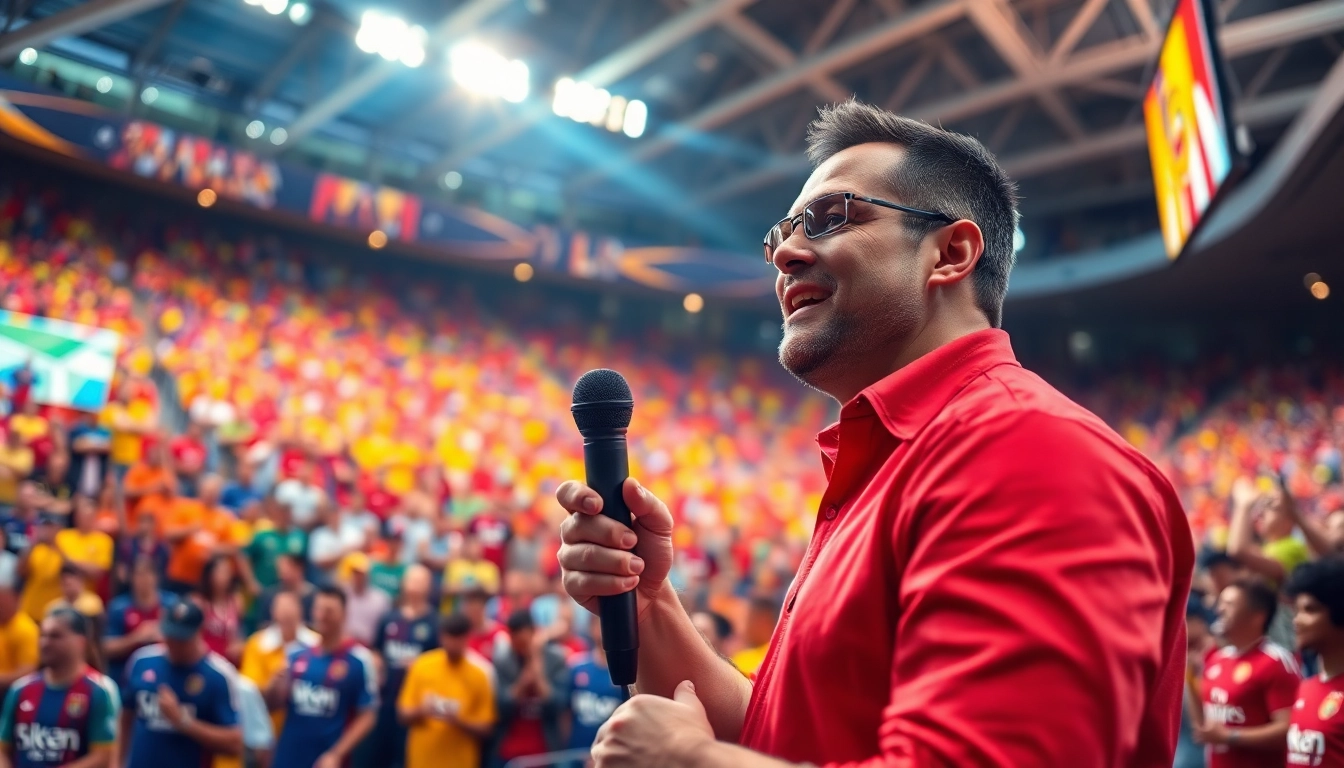
Understanding the Basics of Sports Broadcasting
What is Sports Broadcasting?
Sports Broadcasting is the transmission of live or recorded sporting events over various media channels, including television, radio, and digital platforms. It serves as a bridge between sporting events and audiences, allowing fans to access content from the comfort of their homes or on-the-go. The evolution of technology has significantly transformed this field, making it more dynamic and adaptable to audience needs. Enhanced graphics, multiple camera angles, and expert commentary elevate the viewing experience. For those looking to explore more about this industry, Sports Broadcasting offers in-depth insights into Media and technology innovations.
Key Roles in Sports Broadcasting
Within the realm of sports broadcasting, various roles contribute to delivering seamless and engaging content:
- Commentators: They provide play-by-play analysis during live events, enriching the viewing experience with insights and context.
- Analysts: Often former athletes or coaches, they offer expert commentary post-event, discussing strategies and performance trends.
- Producers: They oversee the production process, ensuring that technical and creative elements come together cohesively.
- Cameramen and Technicians: These professionals capture the live action and ensure high-quality broadcasting through advanced audio-visual technology.
- Social Media Managers: They engage with audiences online before, during, and after broadcasts, helping to foster a strong fan community.
Essential Equipment Used in Sports Broadcasting
The equipment used in sports broadcasting is critical to delivering a high-quality viewing experience. Essential tools include:
- Camera Systems: High-definition cameras capture every moment, while specialized cameras offer unique angles or slow-motion replays.
- Audio Equipment: Microphones, mixers, and sound systems ensure that commentary is clear and immersive.
- Broadcast Software: Tools like switching software and graphics engines manage live feeds and enhance the visual presentation.
- Lighting Systems: Proper lighting helps to create favorable conditions for clear visuals, dramatically impacting the broadcast quality.
- Streaming Technology: With the rise of digital platforms, reliable streaming technology is vital for live broadcasts, ensuring that audiences receive seamless access to content across devices.
Crafting Compelling Sports Commentary
Techniques for Effective Storytelling
Effective storytelling is a cornerstone of engaging sports commentary. Broadcasters should focus on creating narratives around games that captivate audiences. Techniques include:
- Setting the Scene: Start by establishing the context of the event, including historical significance, rivalries, and recent performances.
- Character Development: Humanize athletes by sharing personal anecdotes or challenges they face, making their journeys relatable to the audience.
- Building Tension: Highlight key moments that raise stakes, fostering anticipation for resolutions during the broadcast.
- Utilizing Statistics: Use relevant data and statistics to reinforce storytelling, providing audiences with deeper insights into player performance and game dynamics.
The Importance of Voice Modulation
Voice modulation is a vital skill for sports broadcasters. A varied vocal tone enhances storytelling, making it more engaging. Techniques include:
- Adjusting Volume: Raising or lowering volume during crucial moments to emphasize excitement or convey seriousness.
- Varying Speed: Changing pace can convey urgency or calmness, impacting how information is received by viewers.
- Employing Pauses: Strategic pauses can maintain audience engagement, allowing moments of tension to resonate.
Engaging the Audience Through Interaction
In today’s digital age, engaging the audience is more crucial than ever. Strategies to foster interaction include:
- Live Polls and Q&A: Incorporate live polling or question segments during broadcasts to invite audience participation.
- Social Media Integration: Use social media platforms to gather audience reactions and comments, allowing on-air personalities to address viewer input.
- Interactive Content: Create content that encourages viewer participation, such as predictions for outcomes or contests.
Skills Required for Successful Sports Broadcasters
Research and Preparation Strategies
Successful sports broadcasters are well-researched, often dedicating time to preparation. Key strategies for effective preparation include:
- Studying Teams and Athletes: Delve into statistics, performance histories, and personal anecdotes to provide in-depth analysis.
- Staying Updated with News: Follow real-time sports news to discuss current events accurately during broadcasts.
- Practicing Commentary: Rehearse potential scenarios to build confidence and fluency in delivering commentary.
Developing a Unique Broadcasting Style
Having a unique broadcasting style helps create a distinctive identity. Broadcasters should focus on:
- Finding a Voice: Determine a tone and style that resonates with personal personality while remaining professional.
- Consistency: Maintain a consistent style to foster audience familiarity and loyalty over time.
- Feedback Incorporation: Utilise constructive criticism from peers and audiences to continuously refine one’s broadcasting approach.
Handling Unexpected Situations On-Air
Sports events can be unpredictable; thus, broadcasters must develop strategies to maintain composure. Essential skills include:
- Staying Calm: In high-pressure moments, maintaining composure helps convey confidence to the audience.
- Quick Thinking: Ability to think on your feet is critical in navigating unexpected events or technical difficulties.
- Alternative Commentary: Being prepared with backup stories or segments ensures content remains engaging during delays or interruptions.
Understanding Audience Dynamics in Sports Broadcasting
Analyzing Audience Preferences and Trends
Understanding audience dynamics is essential for successful sports broadcasting. Techniques to analyze preferences include:
- Surveys and Feedback: Gather data from viewer surveys to understand audience preferences for commentary styles, features, and sports coverage.
- Viewership Analytics: Review viewership metrics to identify which segments attract the most engagement and adjust content accordingly.
- Trend Monitoring: Stay informed on emerging trends in sports and broadcasting to cater content that appeals to evolving fan interests.
The Role of Social Media in Sports Broadcasting
Social media plays a pivotal role in sports broadcasting. Key aspects include:
- Real-Time Feedback: Social media allows broadcasters to gauge audience reactions and adapt commentary in real-time.
- Content Sharing: Highlights, interviews, and behind-the-scenes content can be shared across platforms to increase engagement.
- Fan Communities: Encourage discussions and fan engagement through social media, fostering a sense of community around sports events.
Utilizing Feedback for Continuous Improvement
Continuous improvement is necessary for any broadcaster. Strategies include:
- Constructive Criticism: Actively seek and analyze feedback from peers, mentors, and viewers to identify improvement areas.
- Post-Broadcast Analysis: Review recordings to evaluate performance and identify strengths and weaknesses.
- Professional Development: Attend workshops or training sessions focused on advancing skills and keeping up with industry trends.
Evaluating Performance in Sports Broadcasting
Key Metrics for Measuring Success
Measuring success in sports broadcasting involves assessing various metrics, such as:
- Viewership Ratings: Track audience numbers during live broadcasts to evaluate popularity and engagement.
- Audience Retention Rates: Monitor how many viewers stay for the duration of the program, helping to gauge content effectiveness.
- Social Media Engagement: Measure likes, shares, and comments, providing insight into audience interaction and content reach.
Learning from Industry Examples and Case Studies
Studying successful broadcasters can provide valuable lessons. Investigation methods include:
- Case Studies: Analyze broadcasts that received acclaim for various aspects such as storytelling, audience engagement, and production quality.
- Live Event Analytics: Review data from major sporting events to identify successful strategies and techniques employed by top broadcasters.
- Interviews: Engage with industry veterans to gather insights and best practices that can enhance individual broadcast performances.
Adapting to the Future of Sports Broadcasting
As technology evolves, sports broadcasting must adapt. Future strategies should include:
- Embracing Virtual Reality: Explore VR technologies for immersive audience experiences that redefine viewership.
- Personalized Content: Utilize analytics to offer tailored content suggestions to audiences based on their preferences and viewing habits.
- Integrating AI: Harness artificial intelligence for real-time statistical analysis and reporting, enhancing commentary accuracy and detail.
Frequently Asked Questions (FAQs)
What are the primary roles in sports broadcasting?
Key roles include commentators, analysts, producers, technicians, and social media managers, each playing a crucial part in delivering content.
What skills are essential for a sports broadcaster?
Essential skills include effective storytelling, research abilities, voice modulation, and adaptability to unexpected on-air situations.
How does social media influence sports broadcasting?
Social media facilitates real-time audience interaction, feedback, and content sharing, making it essential for engagement and community-building.
What metrics are critical for evaluating broadcasting success?
Key metrics include viewership ratings, audience retention rates, and social media engagement, providing insights into performance and audience reach.
How can broadcasters improve their skills over time?
Continuous improvement can be achieved through feedback analysis, post-broadcast reviews, and participation in professional development opportunities.